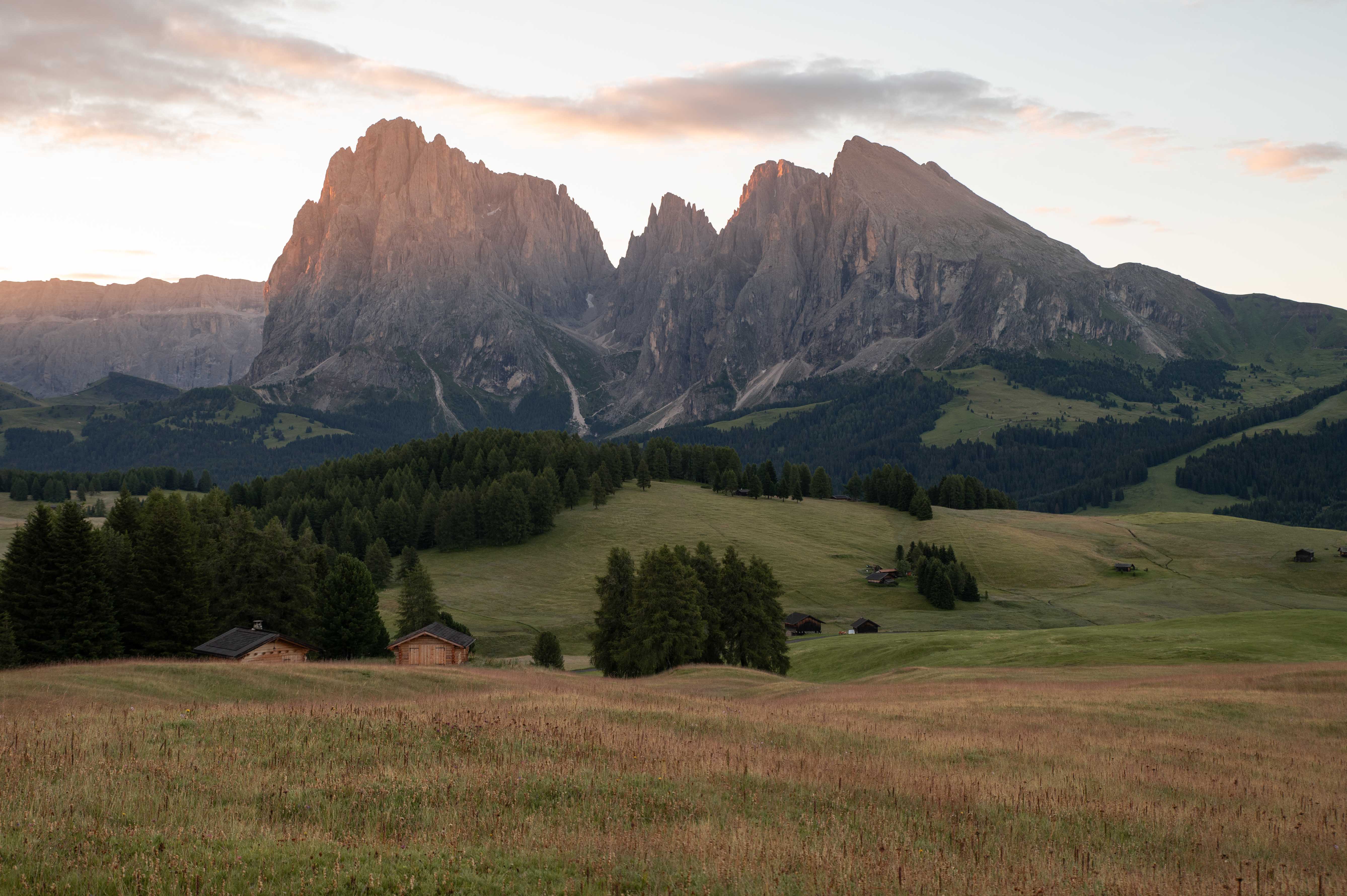
The Dolomites are one of the most incredible mountain regions in Europe, known for their dramatic peaks, alpine lakes, and endless hiking trails. It quickly became one of my favourite places we visited in Italy, and from the moment we arrived, I knew I’d want to come back.
This 5 day Dolomites road trip covers some of the best hikes and must see spots across the region. While we managed to fit a lot into five days, I’d recommend allowing a few extra if you can. The weather in the mountains can be unpredictable, even in summer, so having some flexibility in your plans will ensure you make the most of your trip.
How to get there
The easiest way to get to the Dolomites is to fly into a nearby city and hire a car. This gives you the flexibility to explore the area properly, as many of the best spots are spread out across different areas.
We rented a car in Florence and spent a couple of days exploring Val d’Orcia before driving up to the Dolomites.
To find the best route, I recommend using Omio, as it makes it easy to compare trains, buses, and flights in one place.
Where to stay
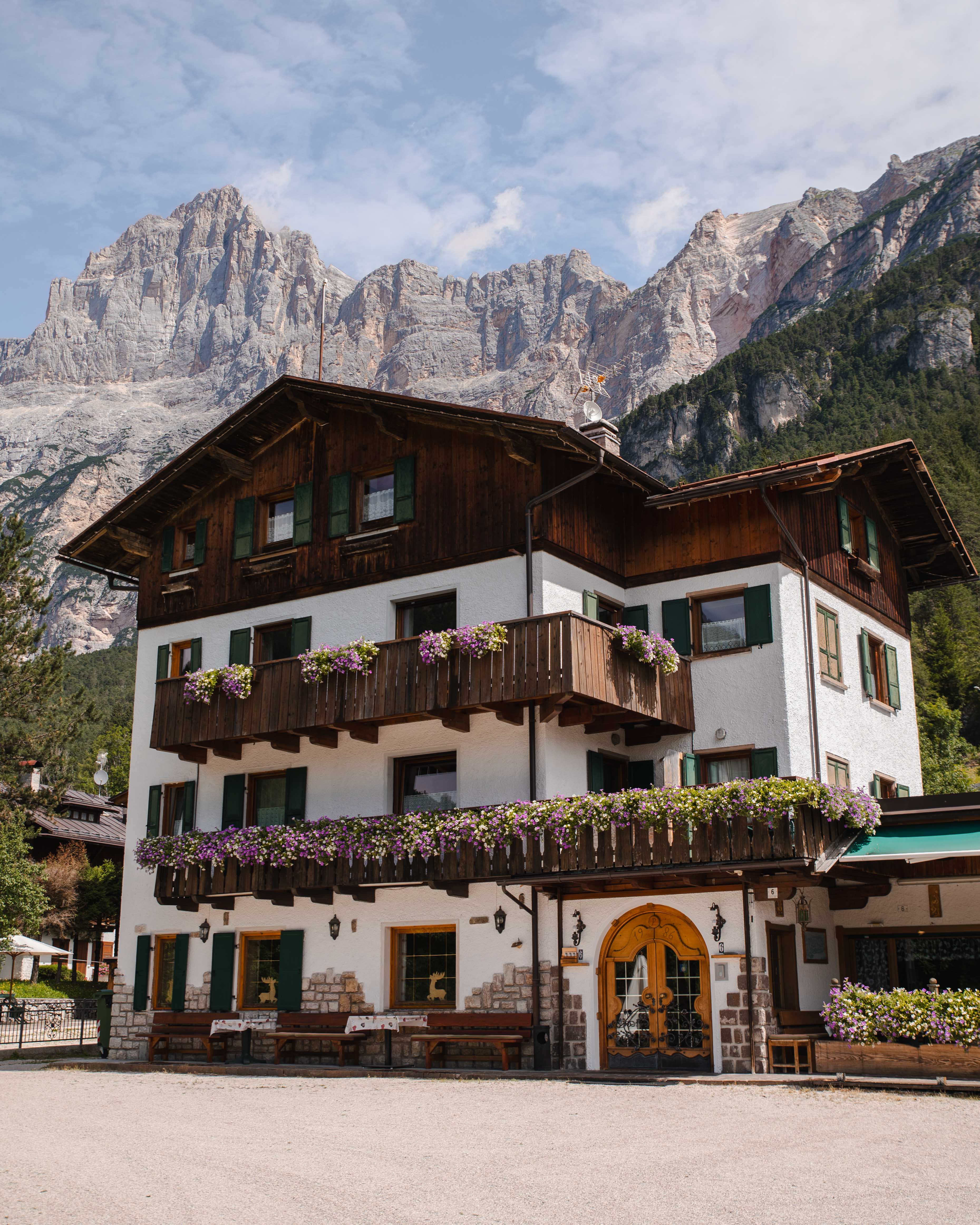
As we were visiting multiple areas of the Dolomites, we stayed in two different locations. We spent the first three nights at Locanda Montana, around 15 minutes from Cortina d’Ampezzo, then moved to Apartments Boè, in Val Gardena.
I’d recommend doing something similar if you plan to explore different regions, as some of the main spots are quite far apart.
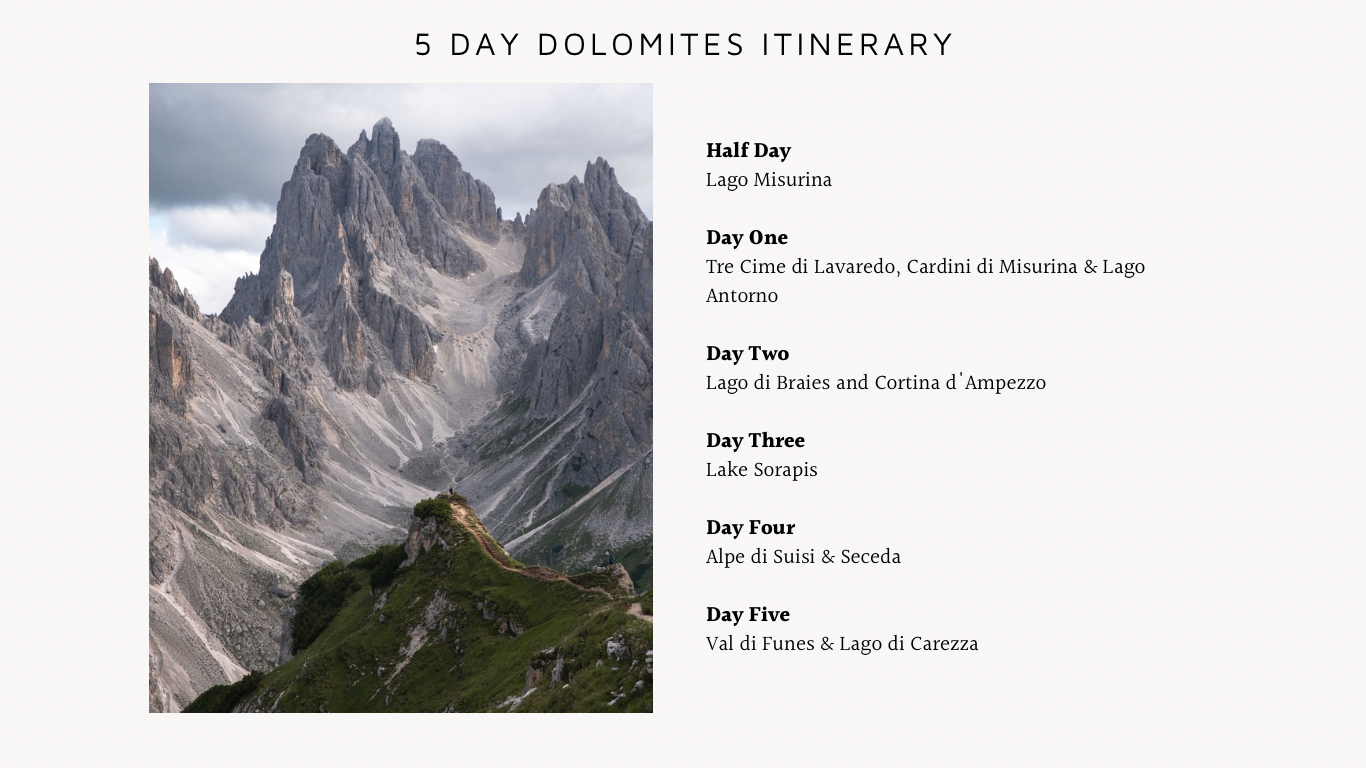
Half Day
Lake Misurina
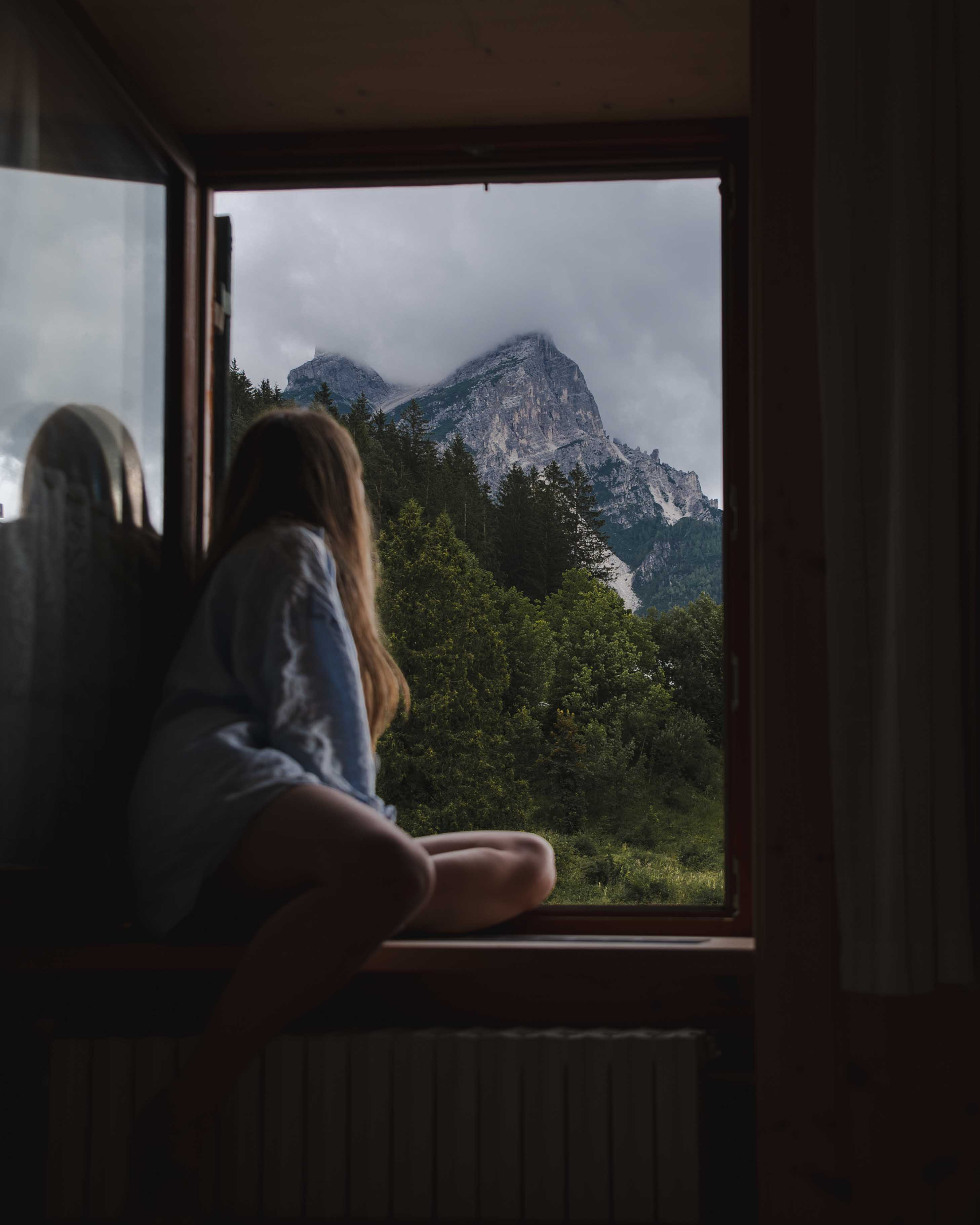
We arrived at Locanda Montana, checked in, and spent some time taking in the views before heading into town for pizza.
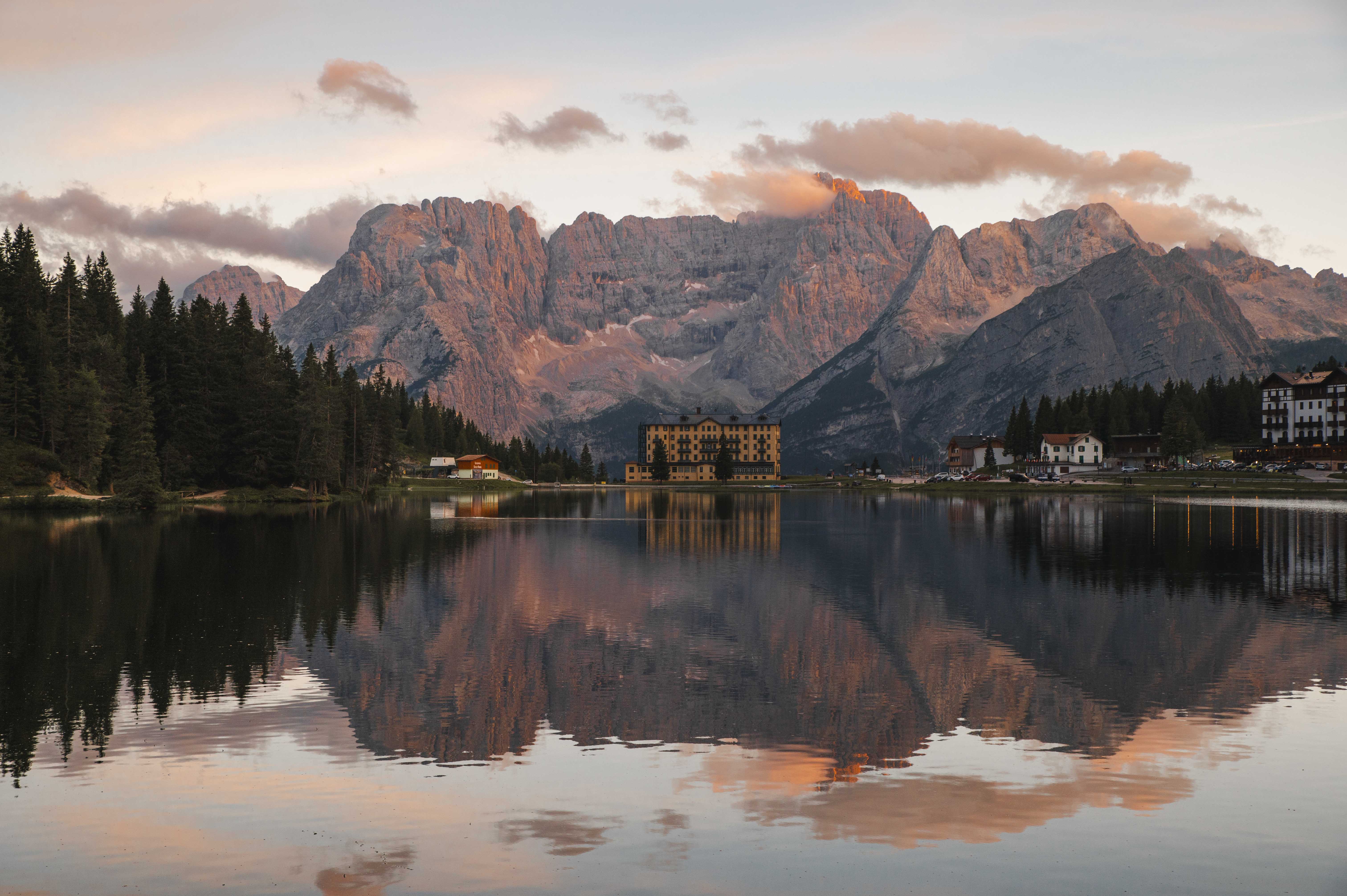
Afterwards, we made our way to the stunning Lake Misurina for sunset. If you feel like stretching your legs after a day of driving, there’s a 2.5km walking trail around the lake.
Technically, this could be Day One, but since we arrived later in the afternoon, I’ve left it as a half day. If you’d prefer a slower start, you could swap this to the evening of Day Two instead.
Day One
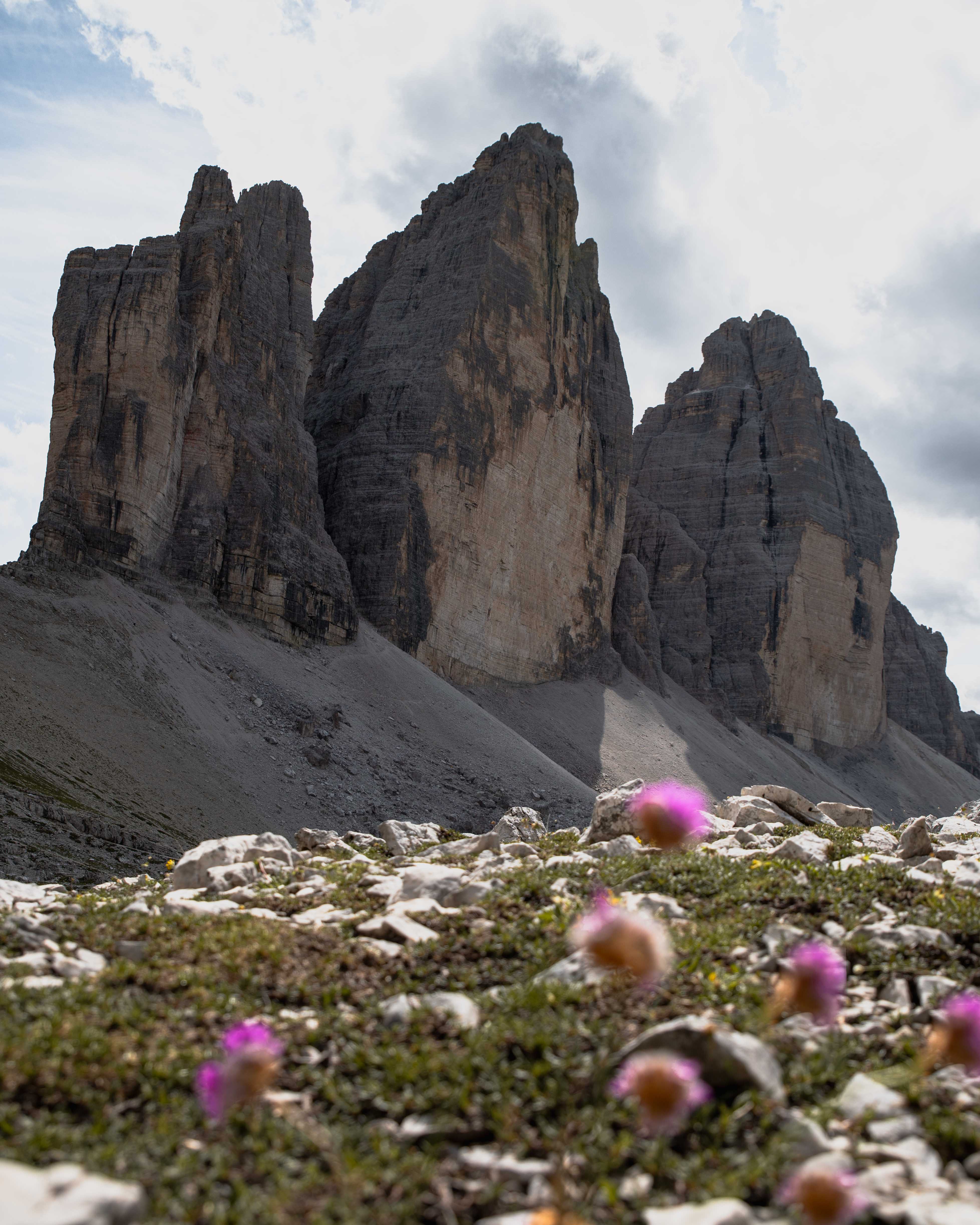
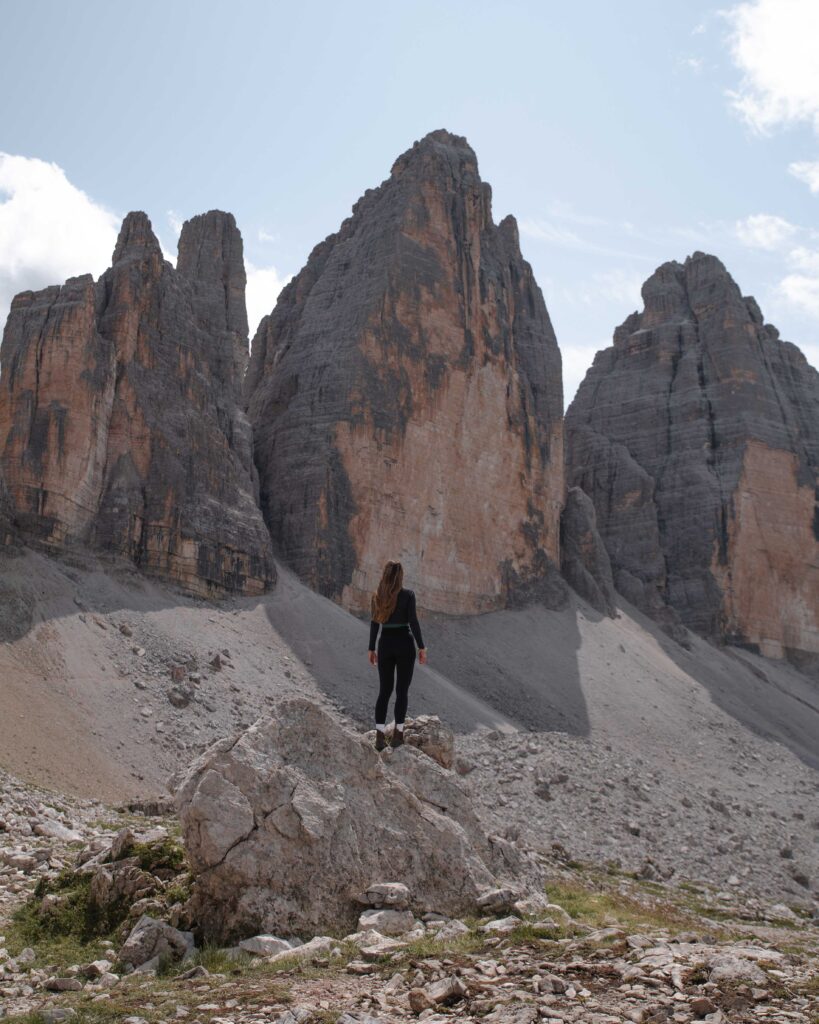
Tre Cime di Lavaredo
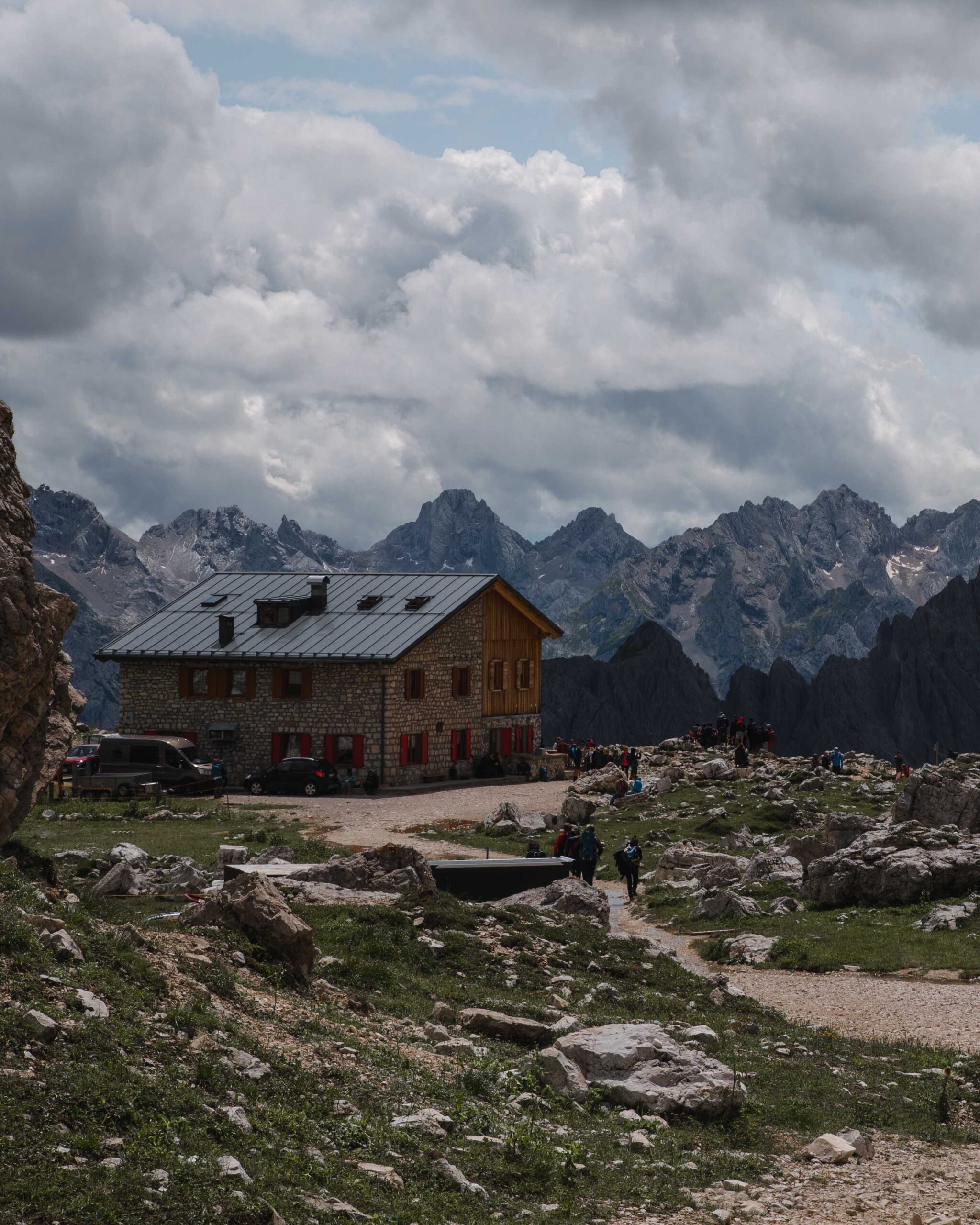
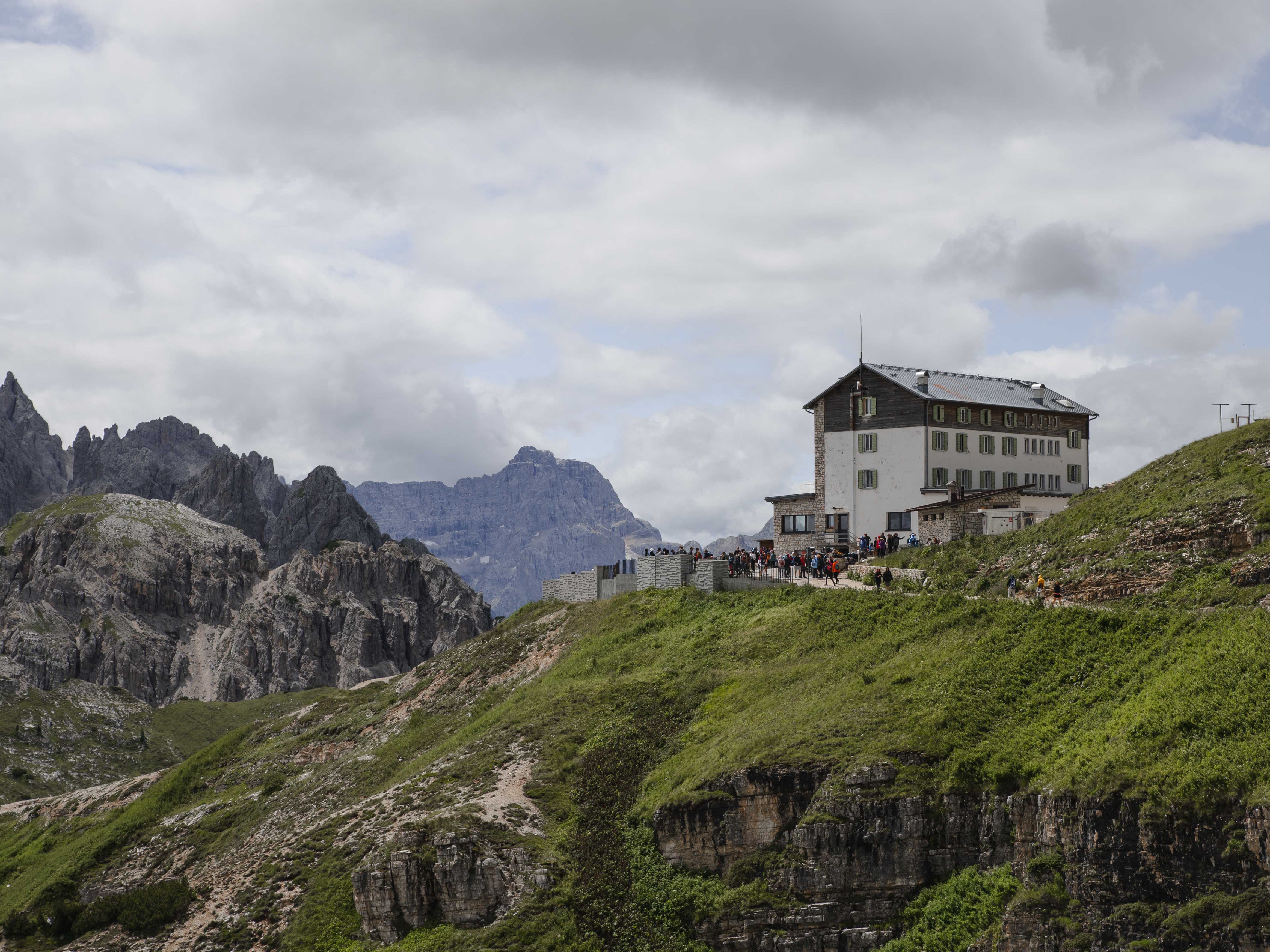
We started the day early with breakfast at our hotel before heading to Tre Cime di Lavaredo. Parking here is limited. When we arrived, the toll road was closed as the top car park was already full. Instead, we parked below and took the shuttle up the winding road to Rifugio Auronzo, which cost €15 each for a round trip.
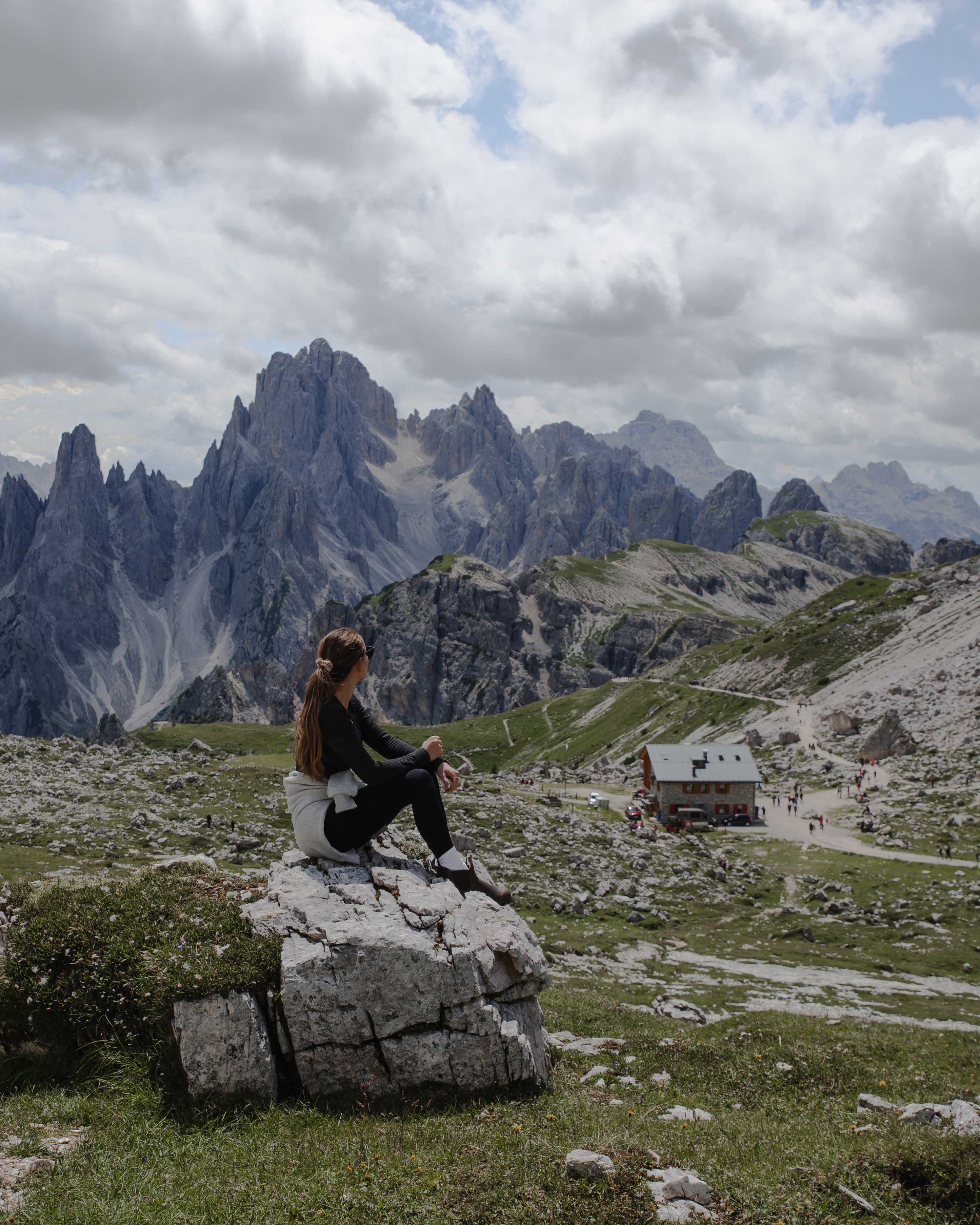
We hiked the Three Peaks loop which, apart from a few steeper sections, is a relatively easy hike. The trail is around 10km and took us about 4 hours, including stops along the way. The views the entire way are unreal, with dramatic cliffs and wide open valleys. It’s worth stopping at one of the rifugi along the way for food and a drink.
After finishing the hike, we stopped at Rifugio Auronzo for lunch before heading out to Cardini di Misurina.
If you’re looking for more hikes in the area, you can browse trails on AllTrails within Tre Cime di Lavaredo Nature Park.
Cardini di Misurina
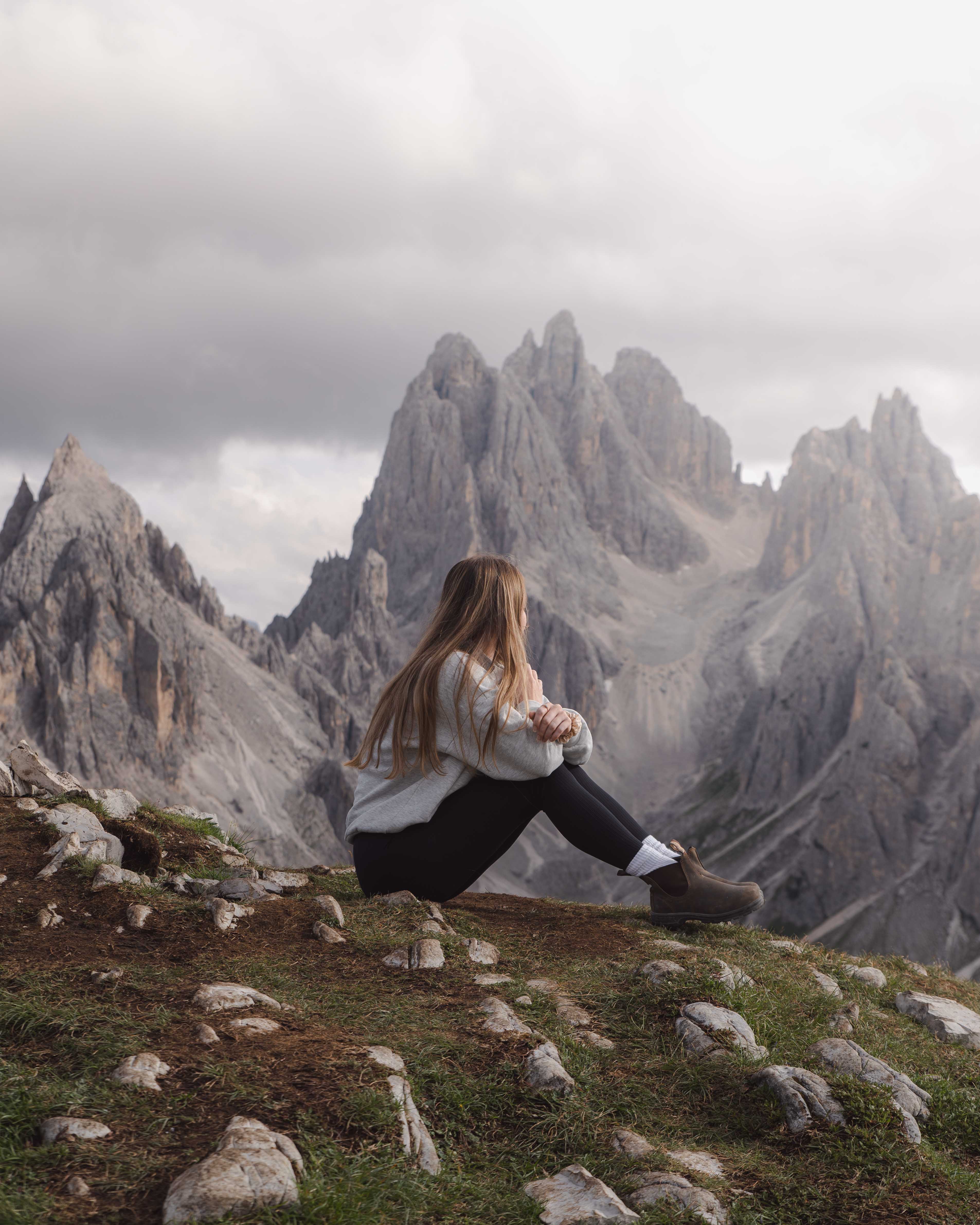
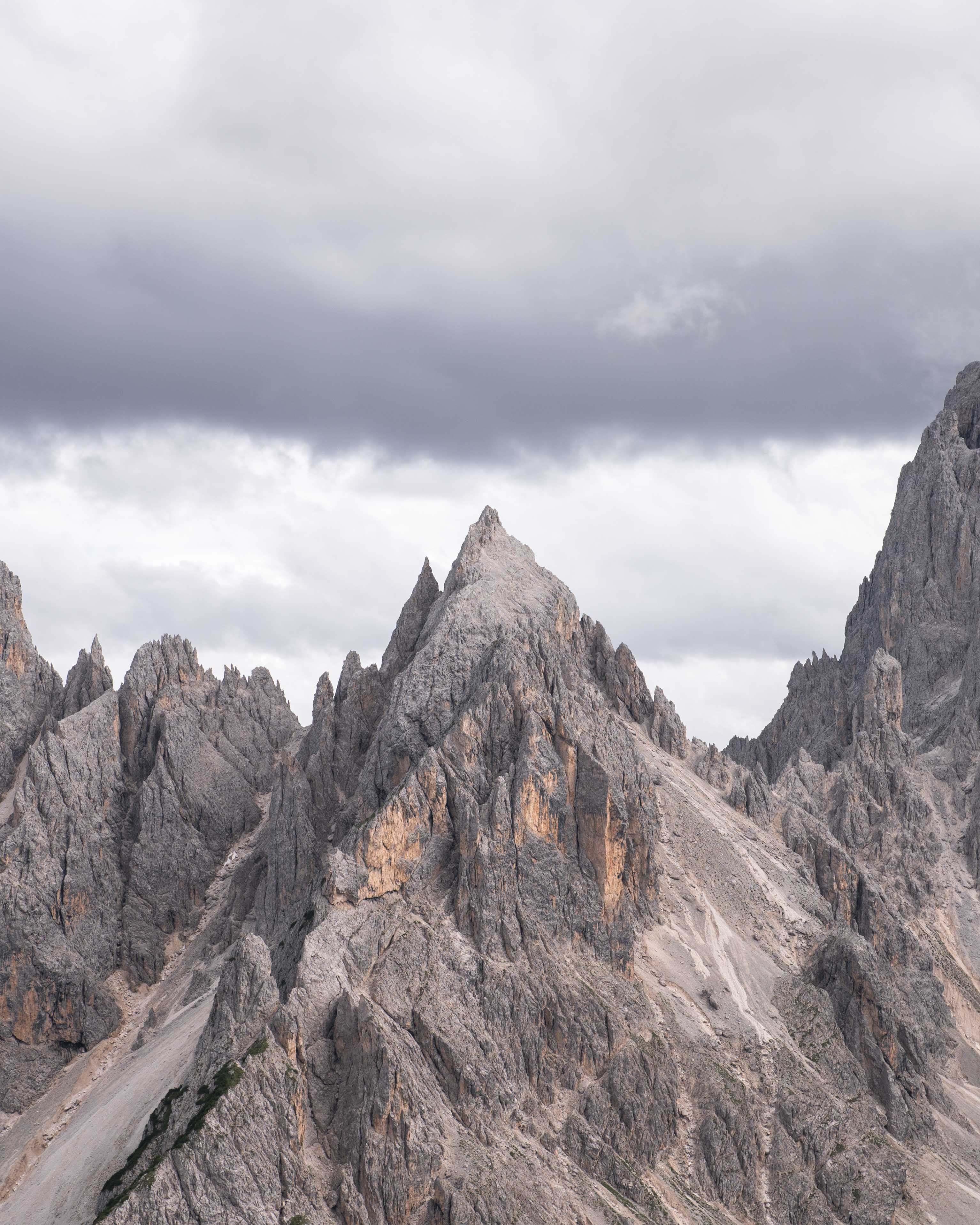
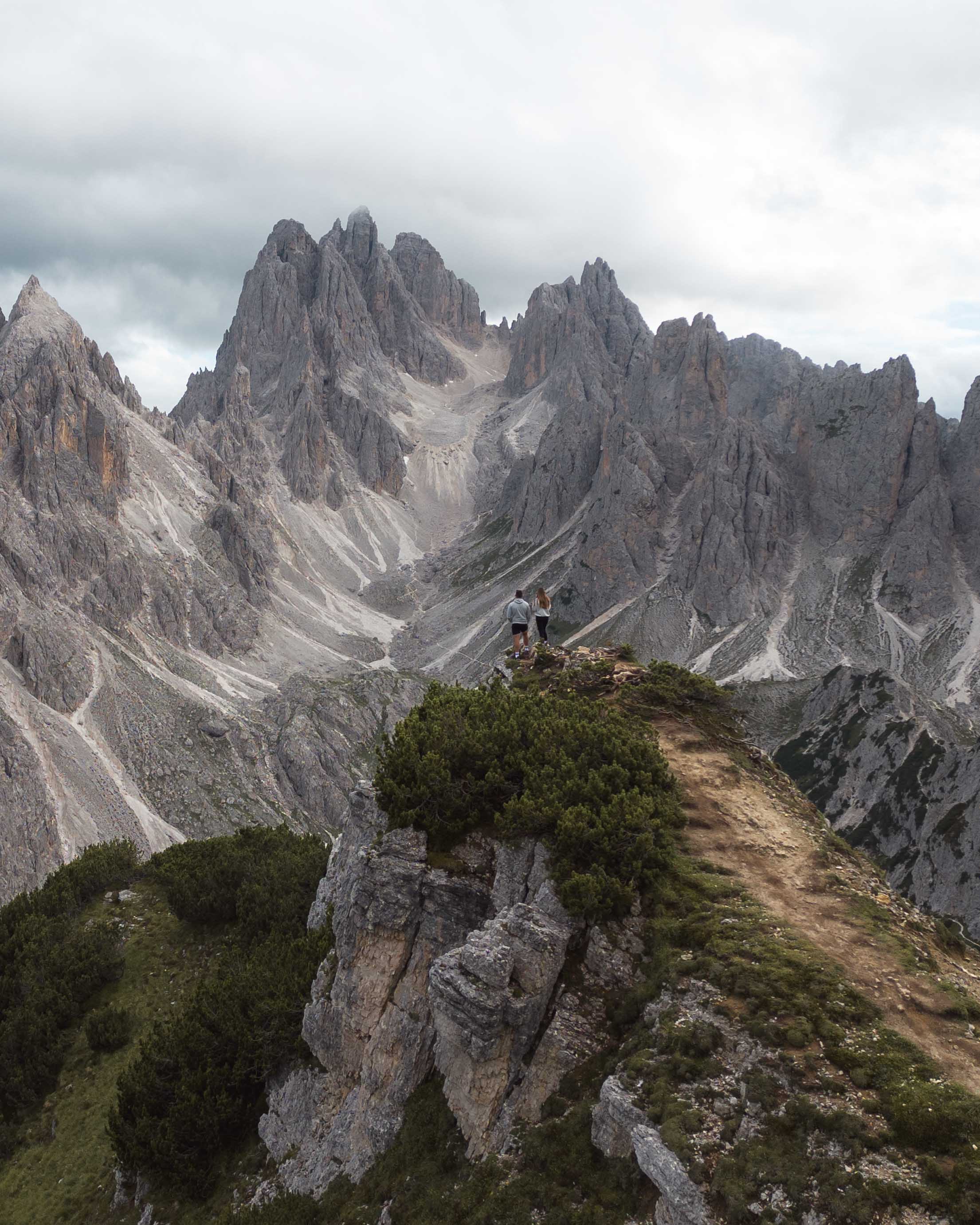
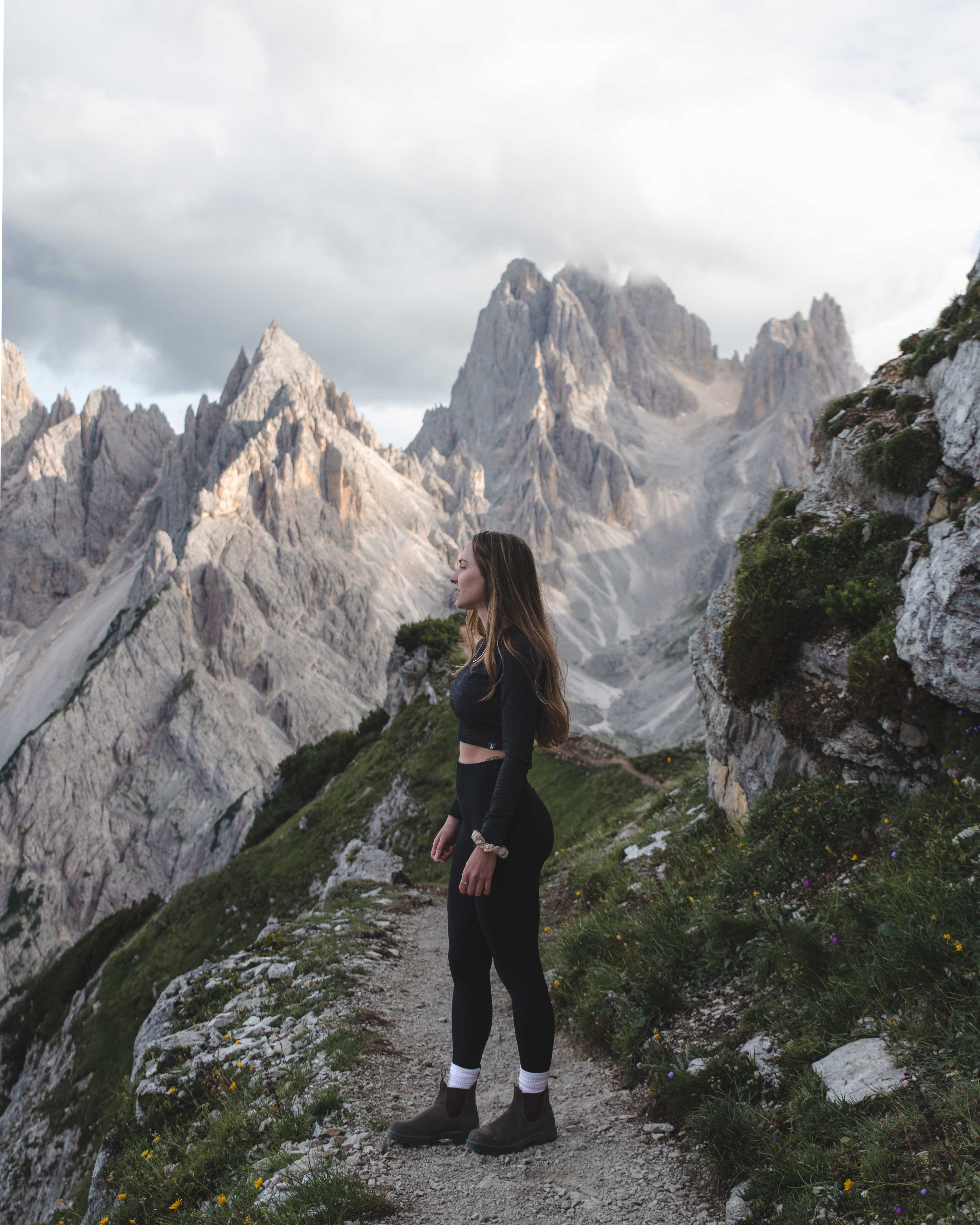
This ended up being one of my favourite hikes from the whole trip.
We had originally planned to do it for sunset, but with a storm forecast for the evening, we decided to go earlier instead. It’s a short 3km out and back trail, taking about 30 minutes to reach the main viewpoint.
The trail starts near Rifugio Auronzo, but instead of heading towards Tre Cime, you’ll go in the opposite direction towards the jagged peaks of Cardini di Misurina.
As you keep following the trail, it will lead up the ridgeline towards Cardini di Misurina. You’ll arrive at a junction; we decided to go left and walk along the narrow ridgeline. It’s worth noting that some sections of this hike are quite exposed, so keep this in mind if it’s been raining or if you have a fear of heights.
If you take the right path instead, you’ll still get similar views, just without the exposed ridge. It’s a more relaxed option if you’re unsure.
Lago Antorno
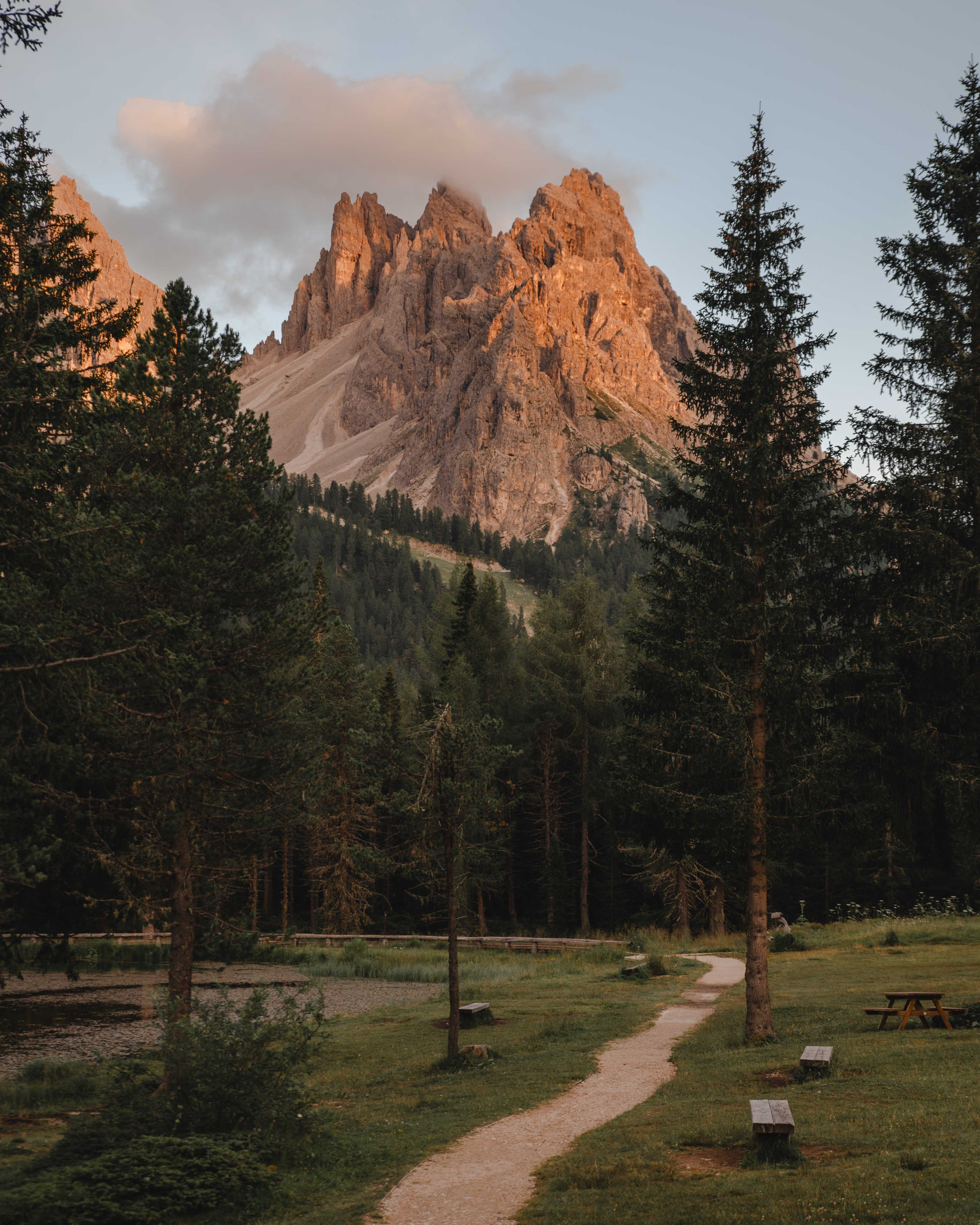
After a full day of hiking, we stopped at Lago Antorno and arrived just as the peaks around Cardini di Misurina were starting to glow.
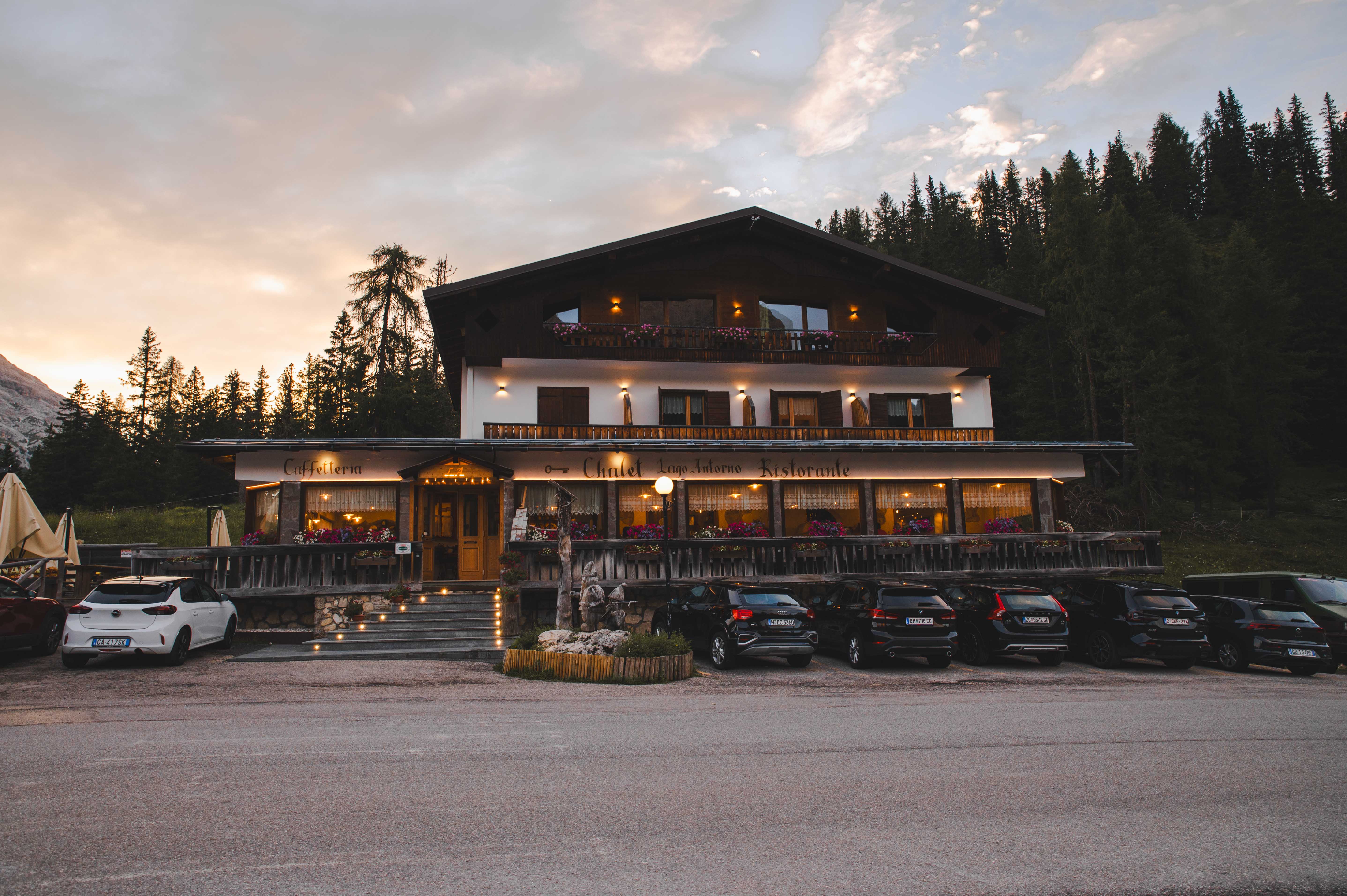
We took a quick walk around the lake before heading into the restaurant for dinner.
Lago Antorno sits just below the toll road to Rifugio Auronzo, so you can visit without needing to pay the toll. If you’re up for an early start, it would also be a really nice spot for sunrise before heading up for a day of hiking.
Day Two
Lago di Braies
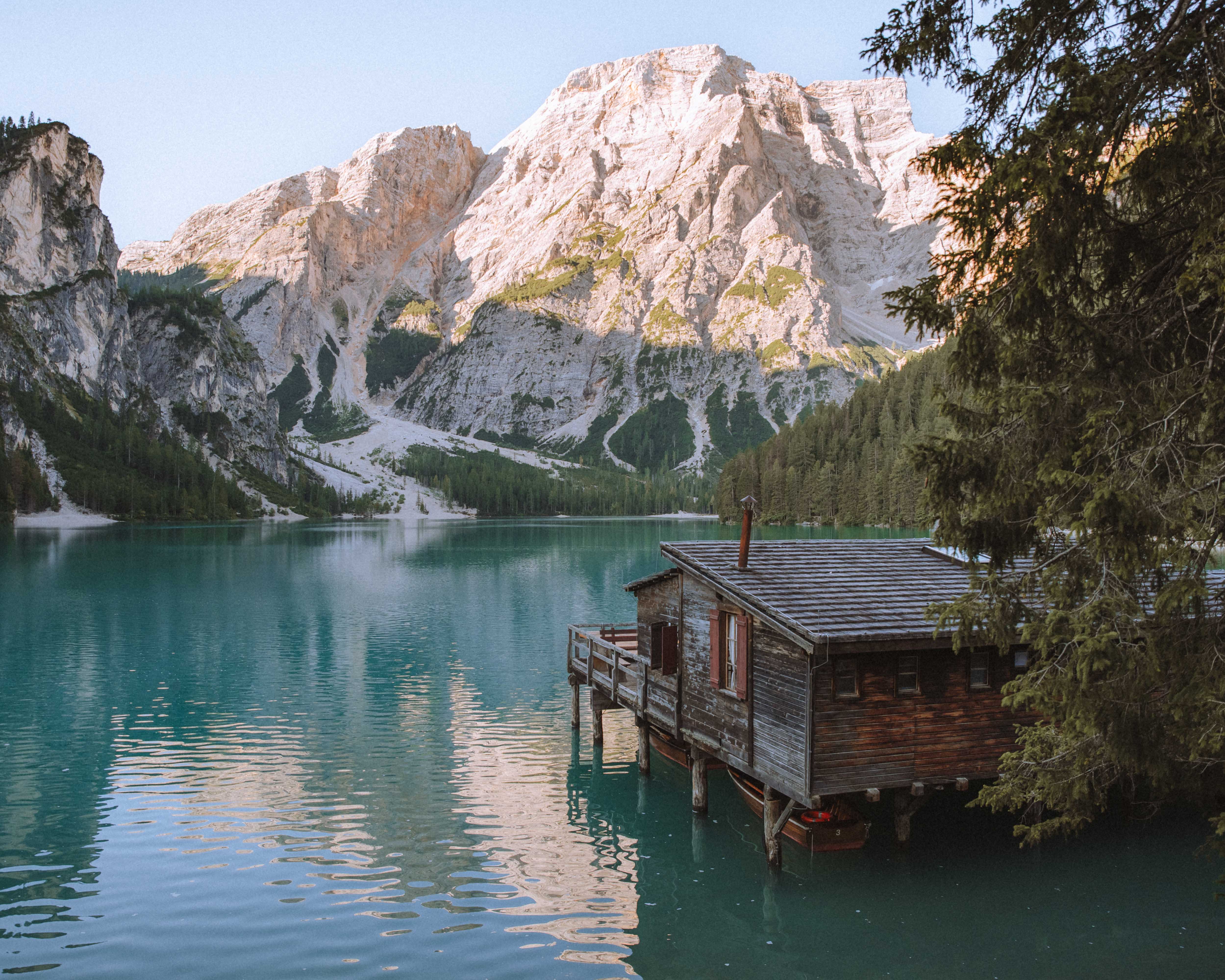
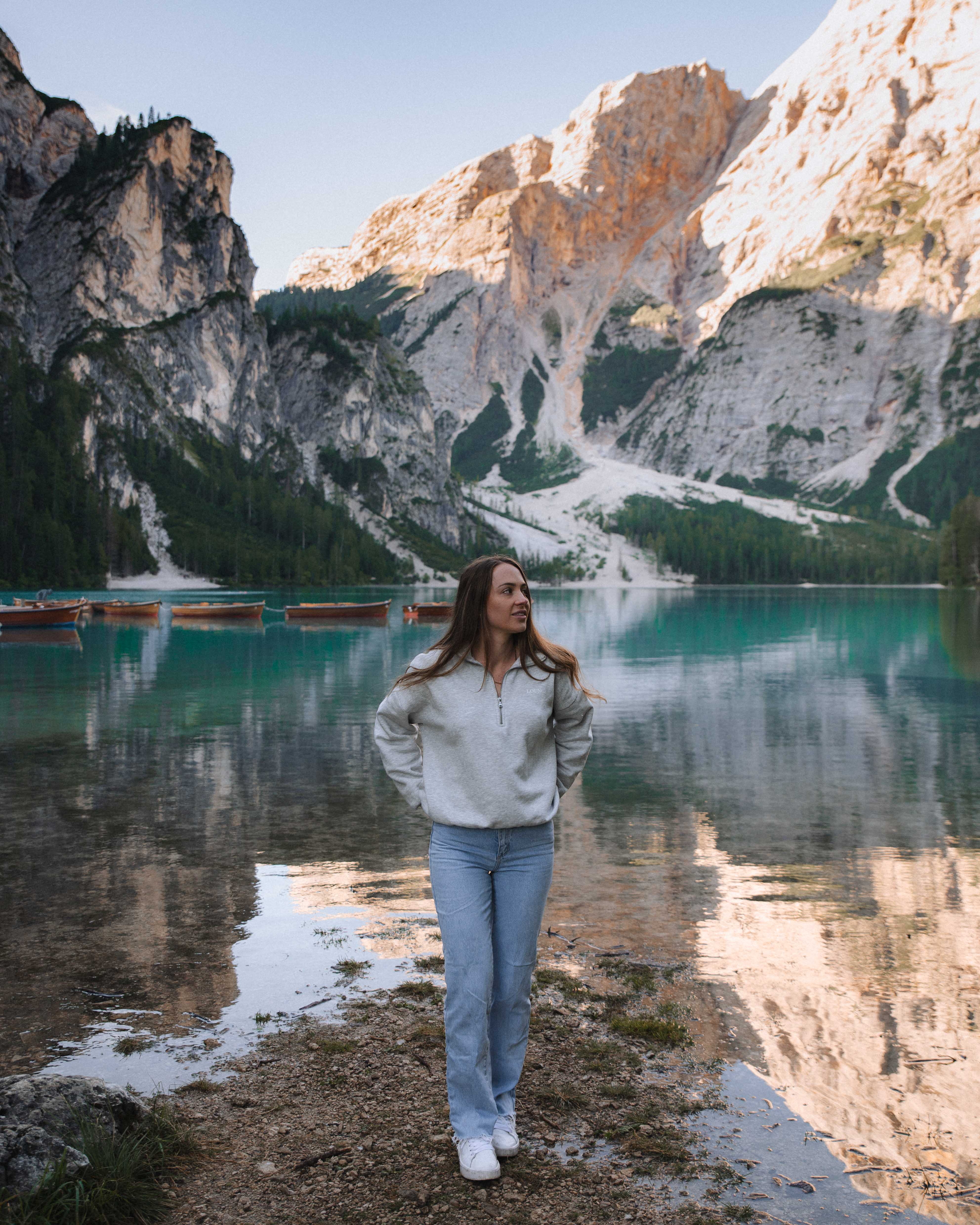
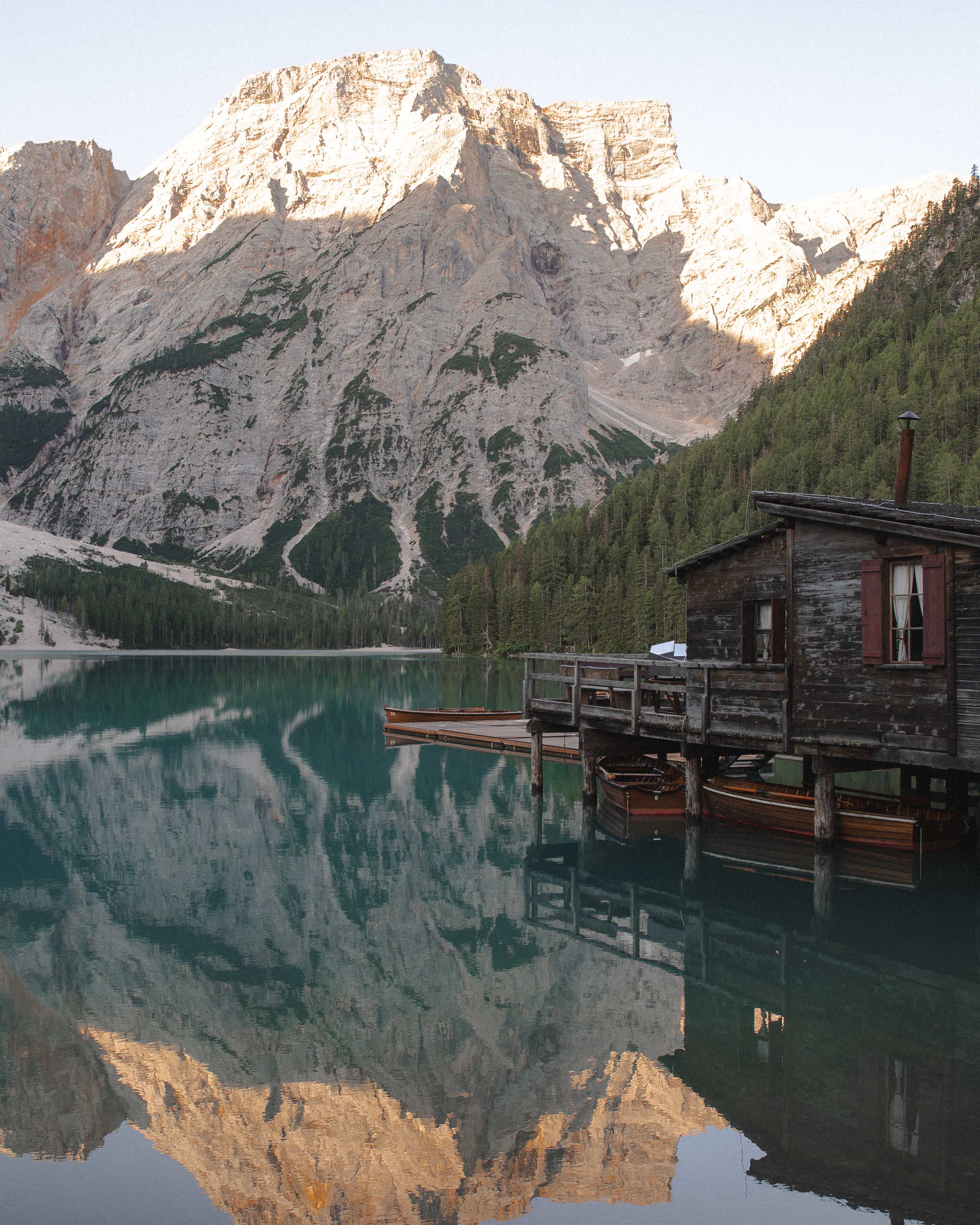
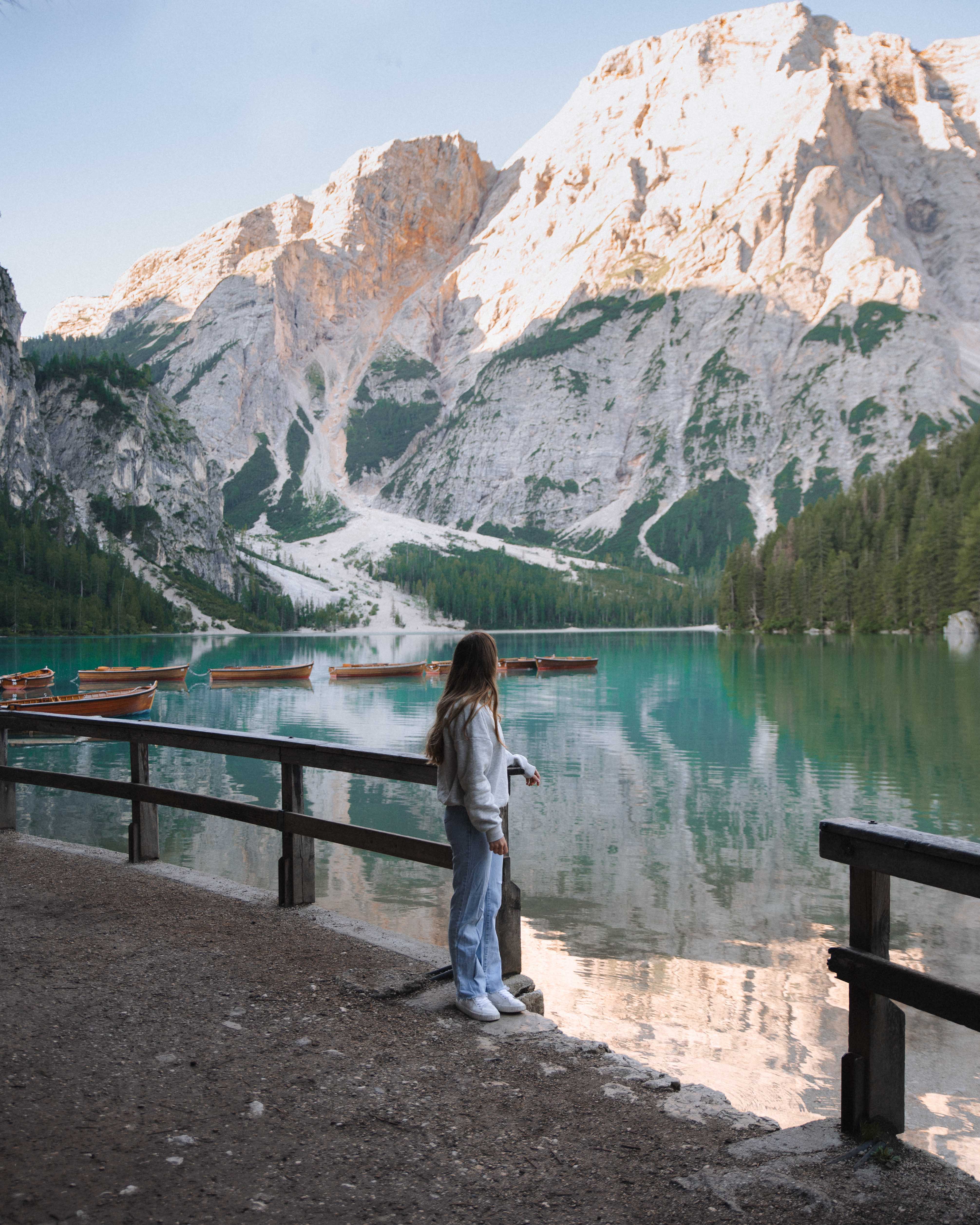
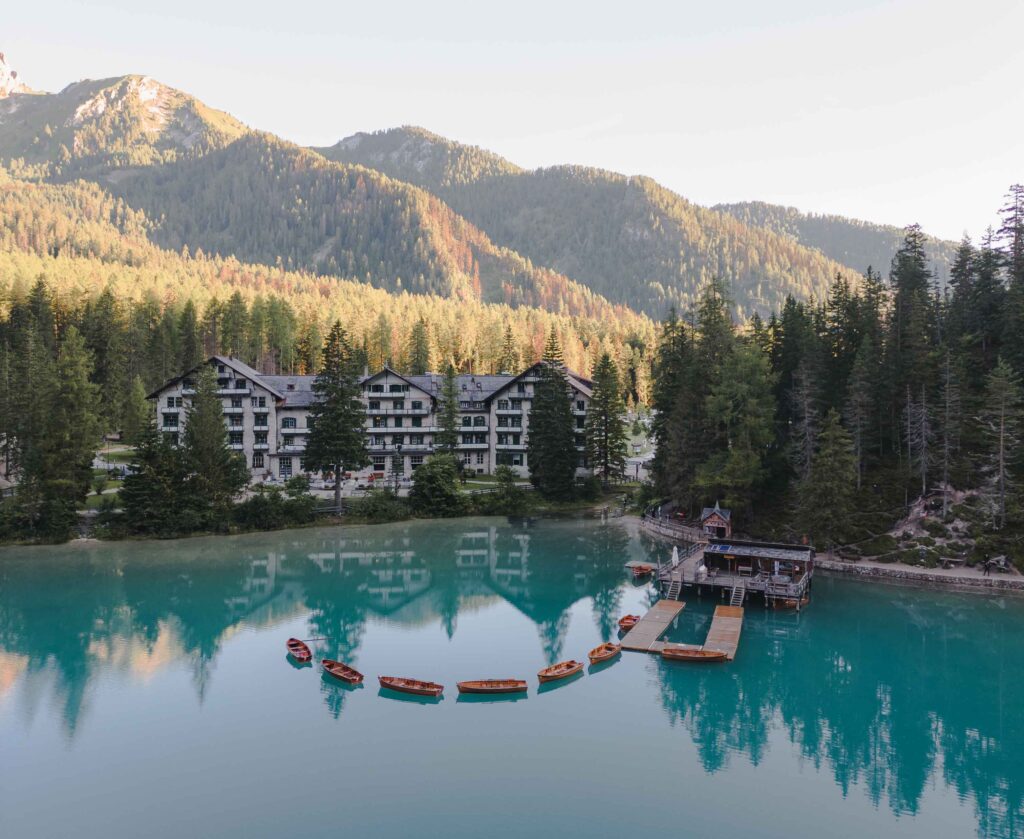
Also known as Pragser Wildsee, Lago di Braies is one of the most well known spots in the Dolomites, and it’s easy to see why. The bright blue water, surrounded by steep mountain peaks, makes it one of the most photographed lakes in the region.
We visited early in the morning for sunrise to avoid the crowds, which I’d highly recommend, especially in summer. It gets very busy here, and the car park fills up quickly. After taking some photos, we headed to Bar Chalet to warm up — it was only 3 degrees, even in the middle of summer.
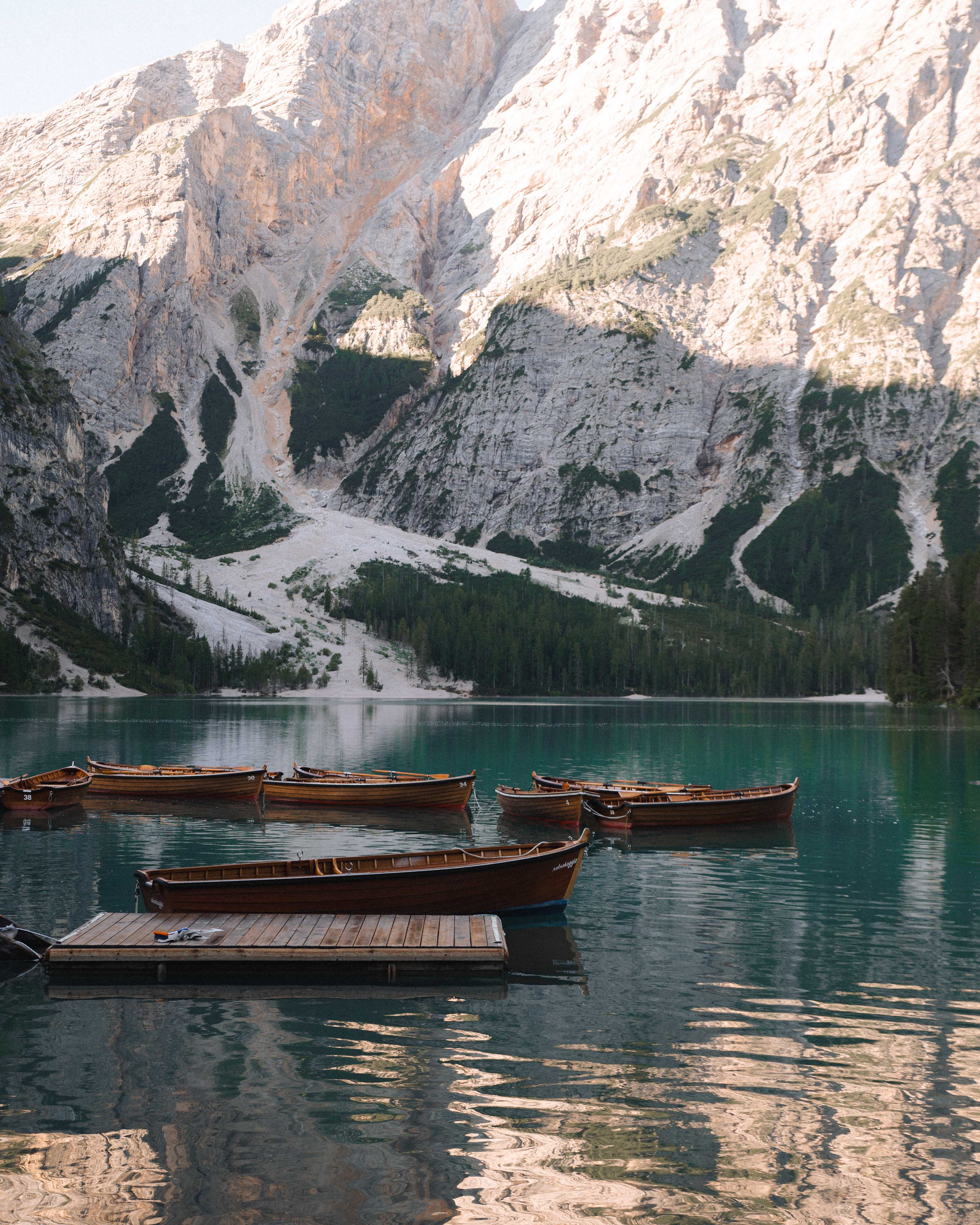
The boathouse opens at 8:30am during July and August, where you can rent one of the wooden rowboats. This is also where you’ll find the iconic pier. If you’re wanting photos without the crowds, you can book access to the pier through La Palafitta outside of regular hours.
Most people visit just for the boathouse, but it’s worth walking the full loop around the lake as well. The trail is about 3.5km and gives you a different perspective the whole way around. It’s also the starting point for a number of incredible hikes in the area.
Note: From July to September, access by car is restricted between 9:30am and 4pm. During these hours, you’ll need to arrive by public transport, bike, on foot, or with a pre booked parking reservation. You can book this in advance at prags.bz.
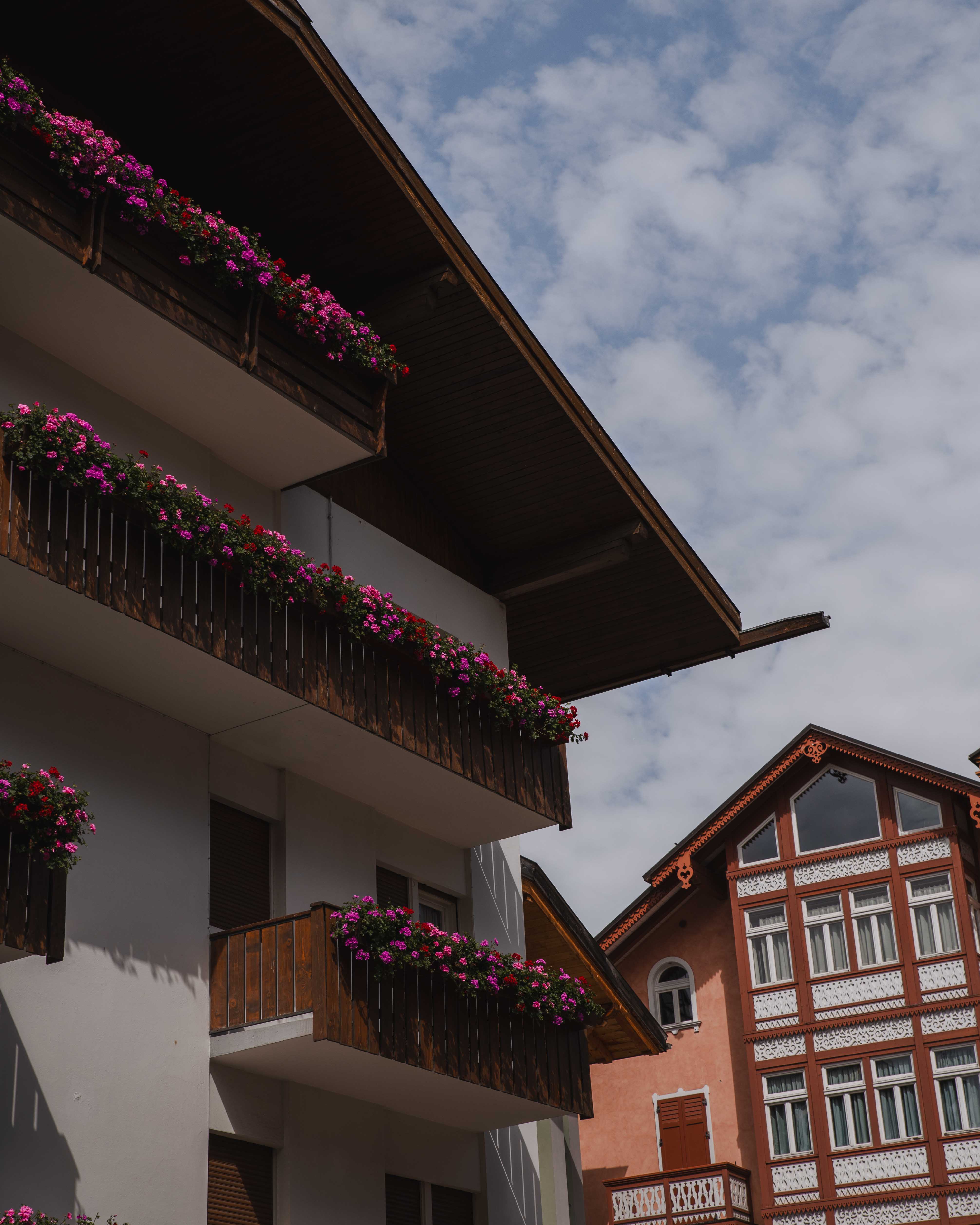
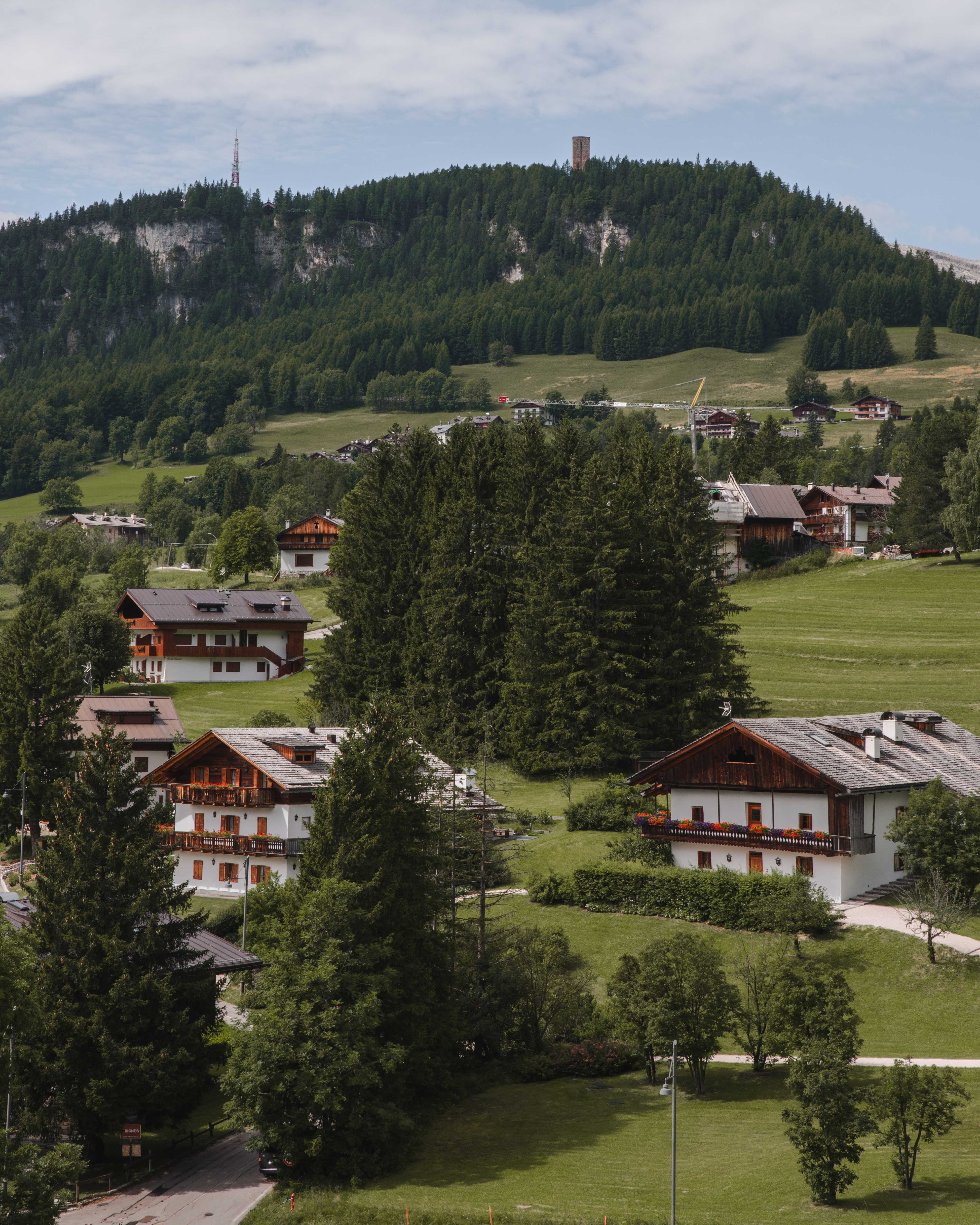
Cortina d’Ampezzo
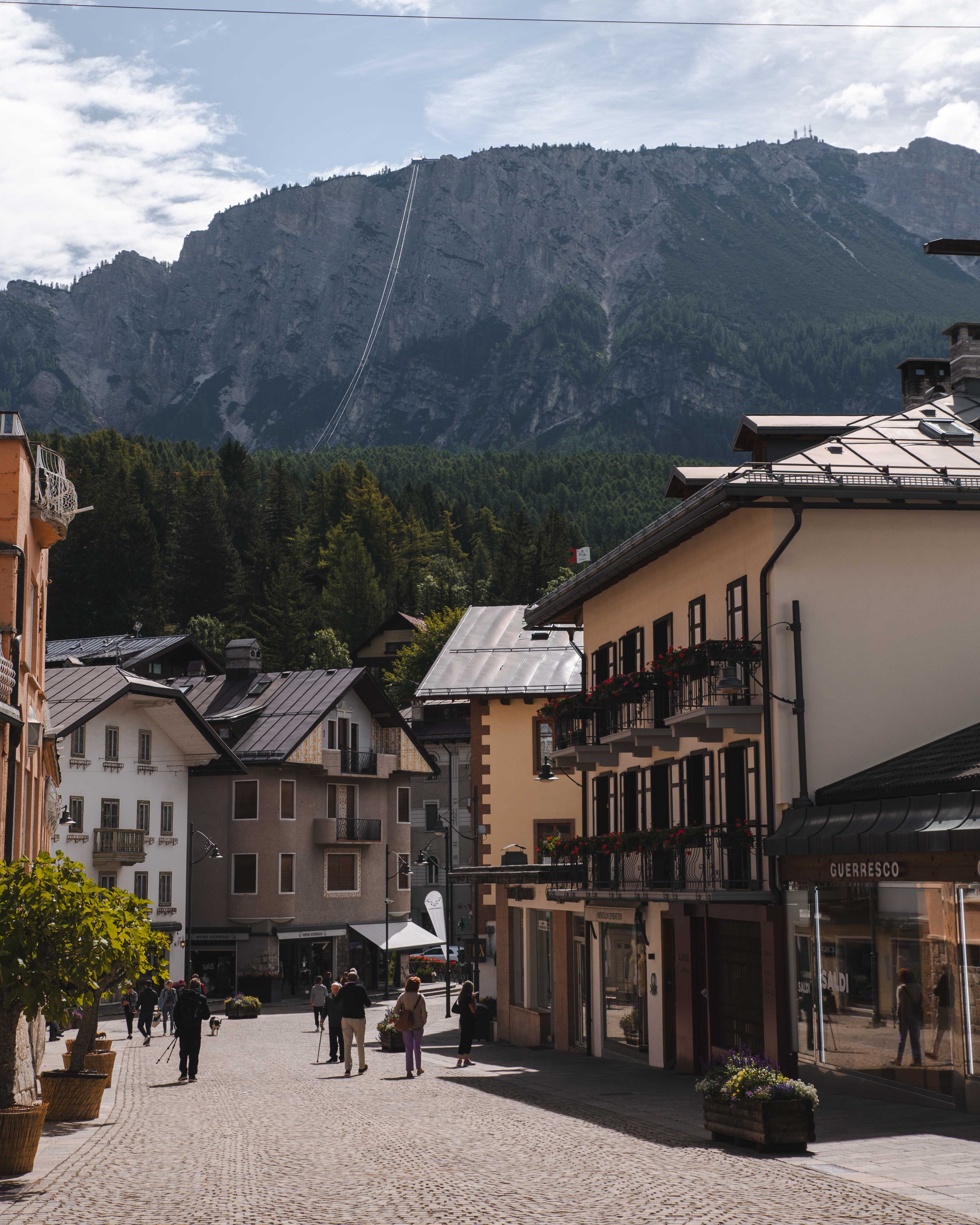
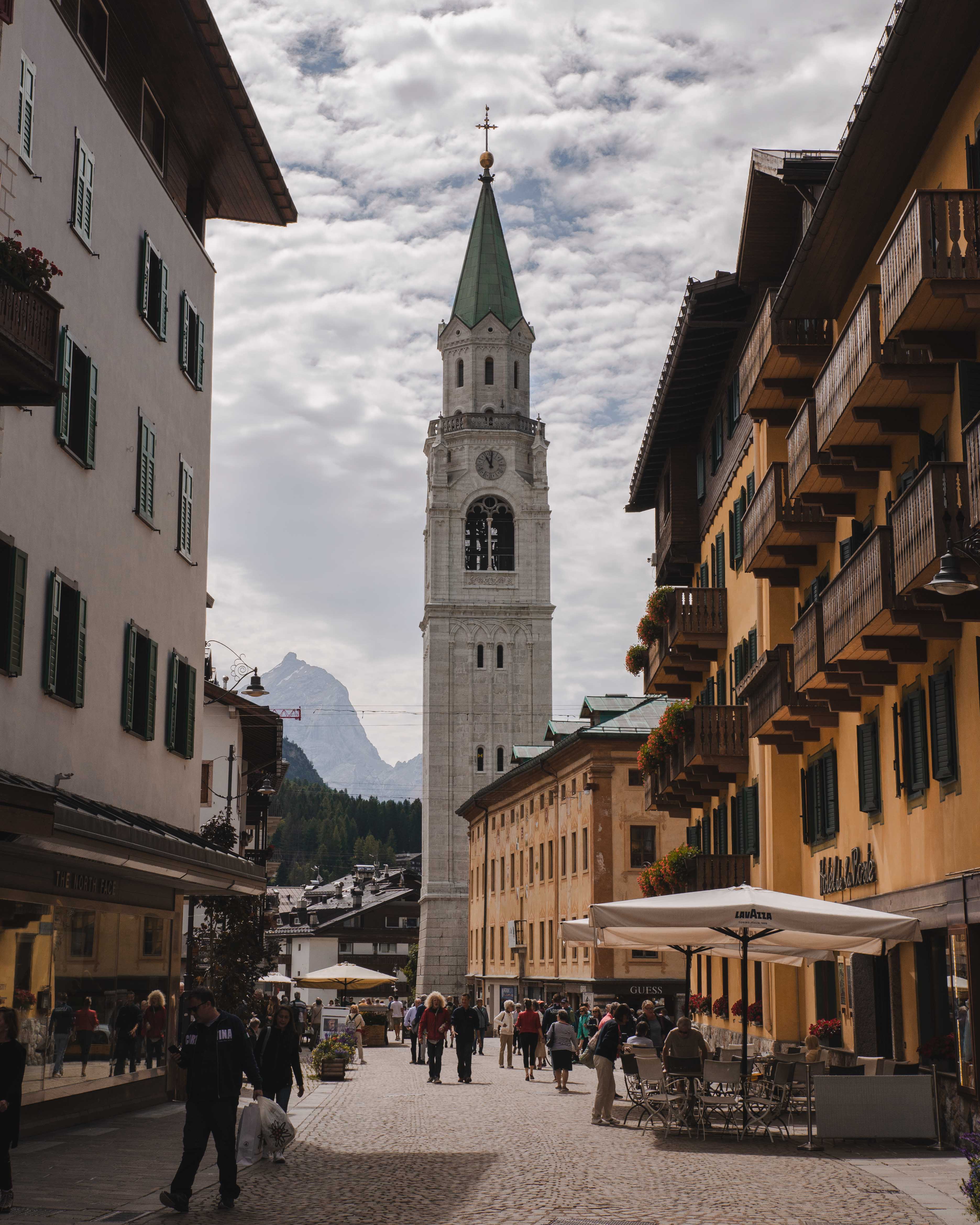
After spending the morning at Lago di Braies, we drove to Cortina d’Ampezzo for lunch.
Often referred to as the “Queen of the Dolomites,” it’s a small alpine town surrounded by mountains and known for hosting the 1956 Winter Olympics.
We grabbed a coffee and something to eat, then spent a bit of time wandering through the town before heading back.
Day Three
Lago di Sorapis
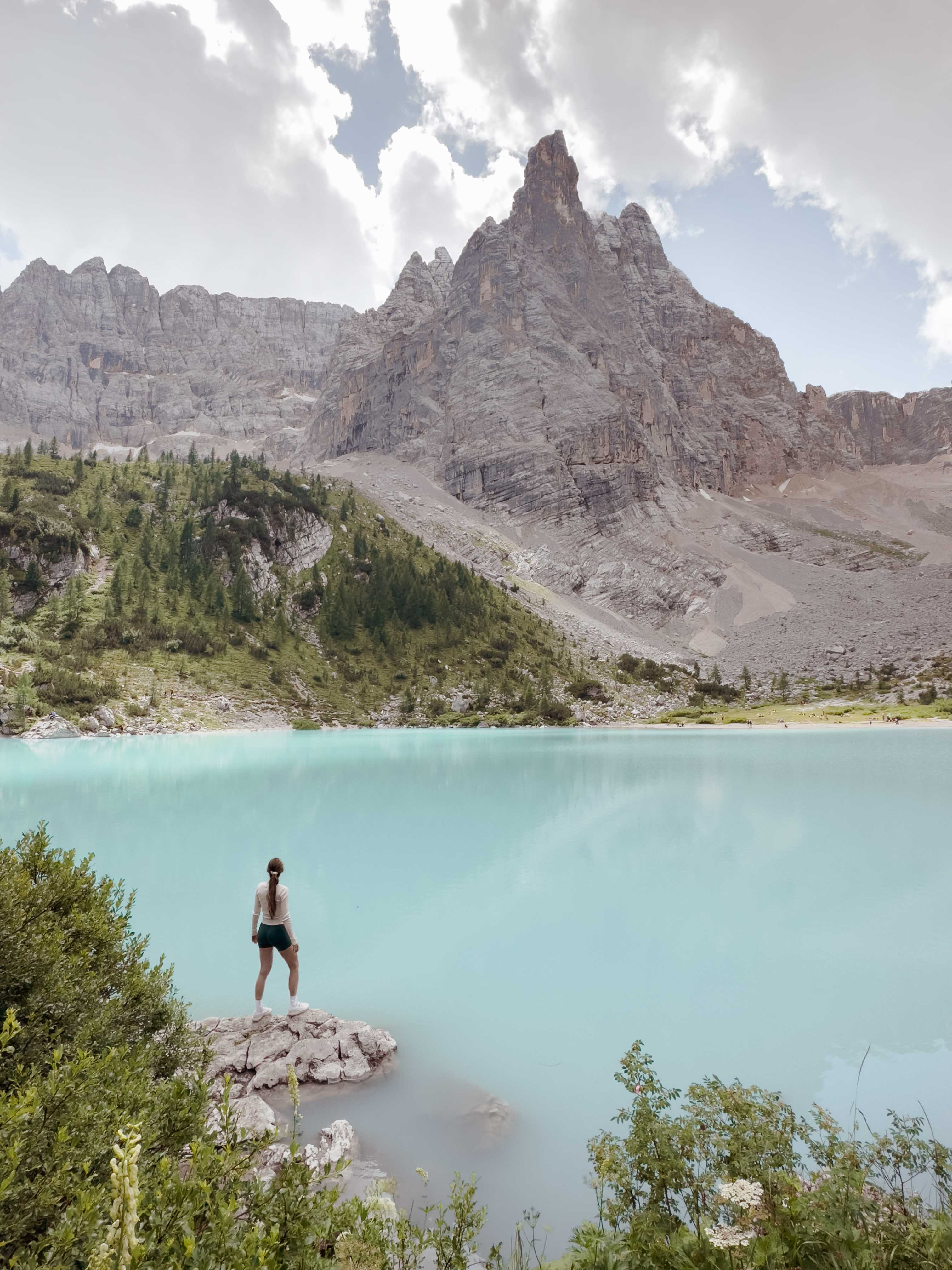
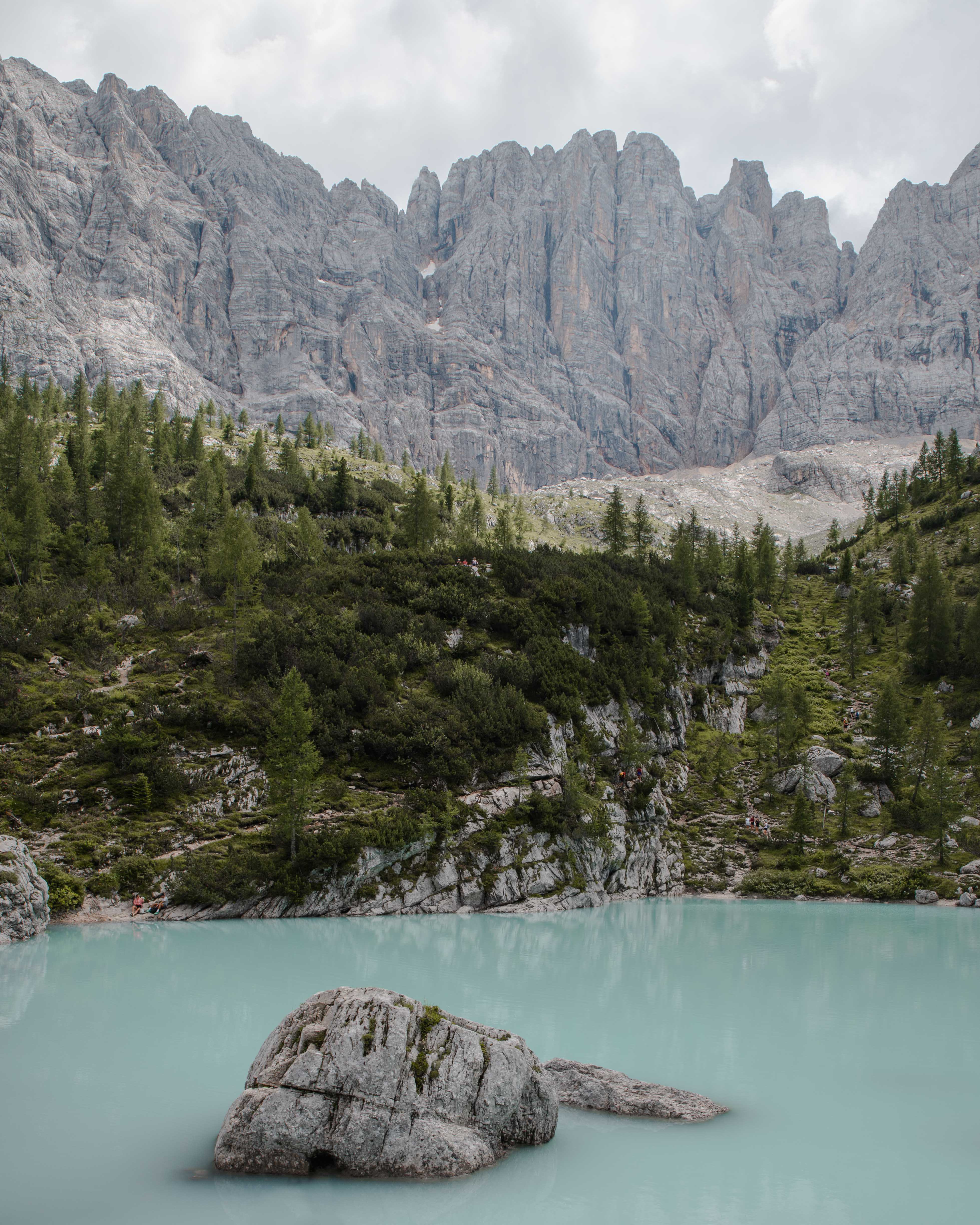
Today we headed out to Lago di Sorapis, known for its bright turquoise water. The hike to get there is a bit more challenging, but worth it.
The trail is around 11.4km return and takes you along sections of cliffside without railings, up ladders, and through narrow paths with metal cables for support. Park at Passo Tre Croci and walk down the road, following signs for trail #215. We stopped for a coffee and croissant at B&B Hotel Passo Tre Croci before starting the hike.
It took us just over two hours to reach Rifugio Vandelli, mainly due to how busy the trail was. We stopped here for lunch before walking the final 150 metres to the lake. The water is some of the bluest I’ve seen — swimming isn’t allowed, but it’s still worth taking your time here.
This is one of the most popular hikes in the Dolomites, so I’d recommend starting early or later in the afternoon to avoid the crowds. We chose to go in the morning so we weren’t hiking back along the exposed sections in the dark. You can also stay overnight at Rifugio Vandelli if you want to break it up, but you’ll need to book in advance.
The full hike took us just over 5 hours, including stops along the way. Afterwards, we drove over Gardena Pass to Val Gardena to check into our next accommodation.
The drive over Gardena Pass has some really nice views, but by this point we were pretty exhausted and there was a fair bit of traffic, so we didn’t stop.
After checking in, we had a quiet afternoon before heading out for dinner and a few drinks at Turonda Restaurant.
Day Four
Alpe di Siusi
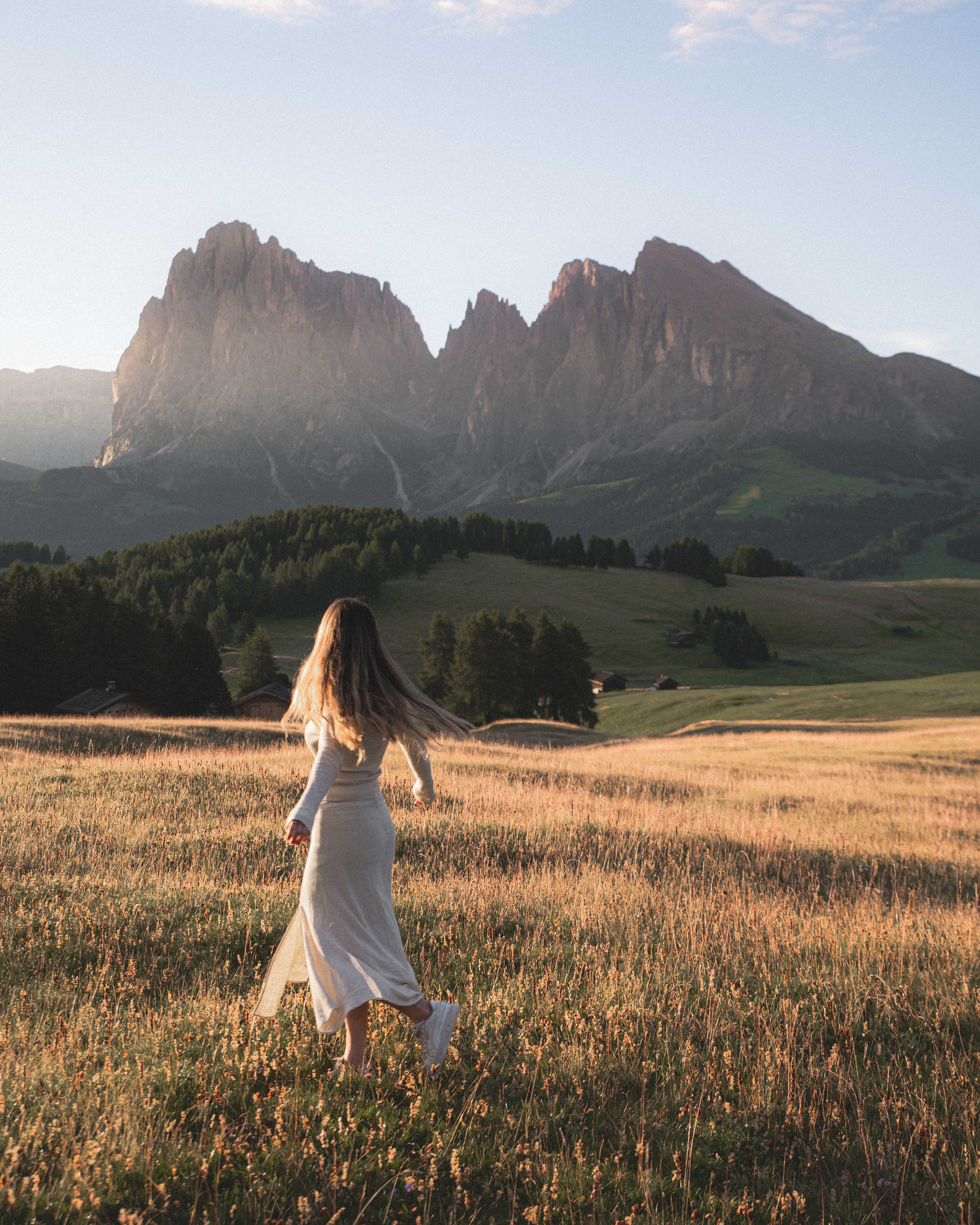
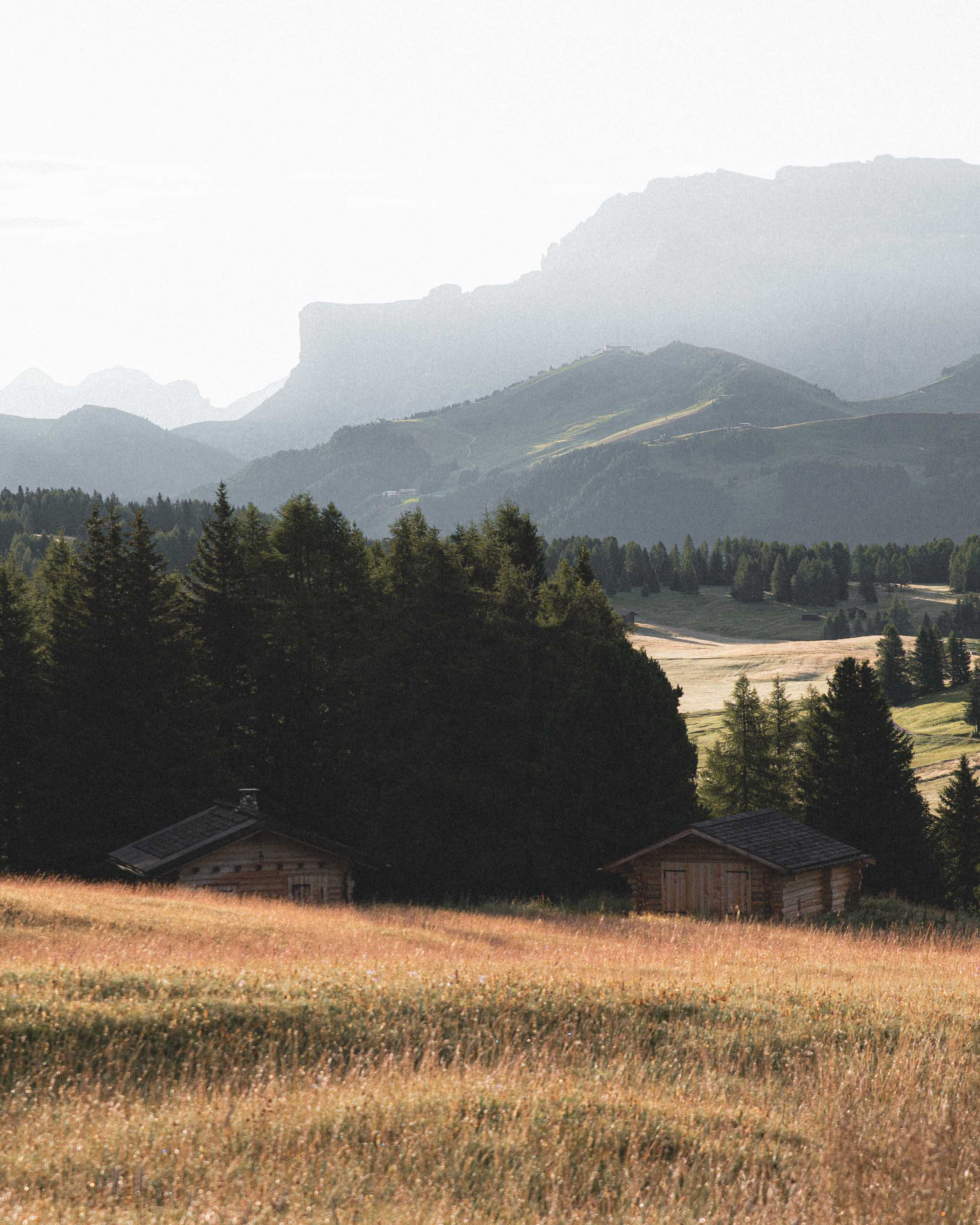
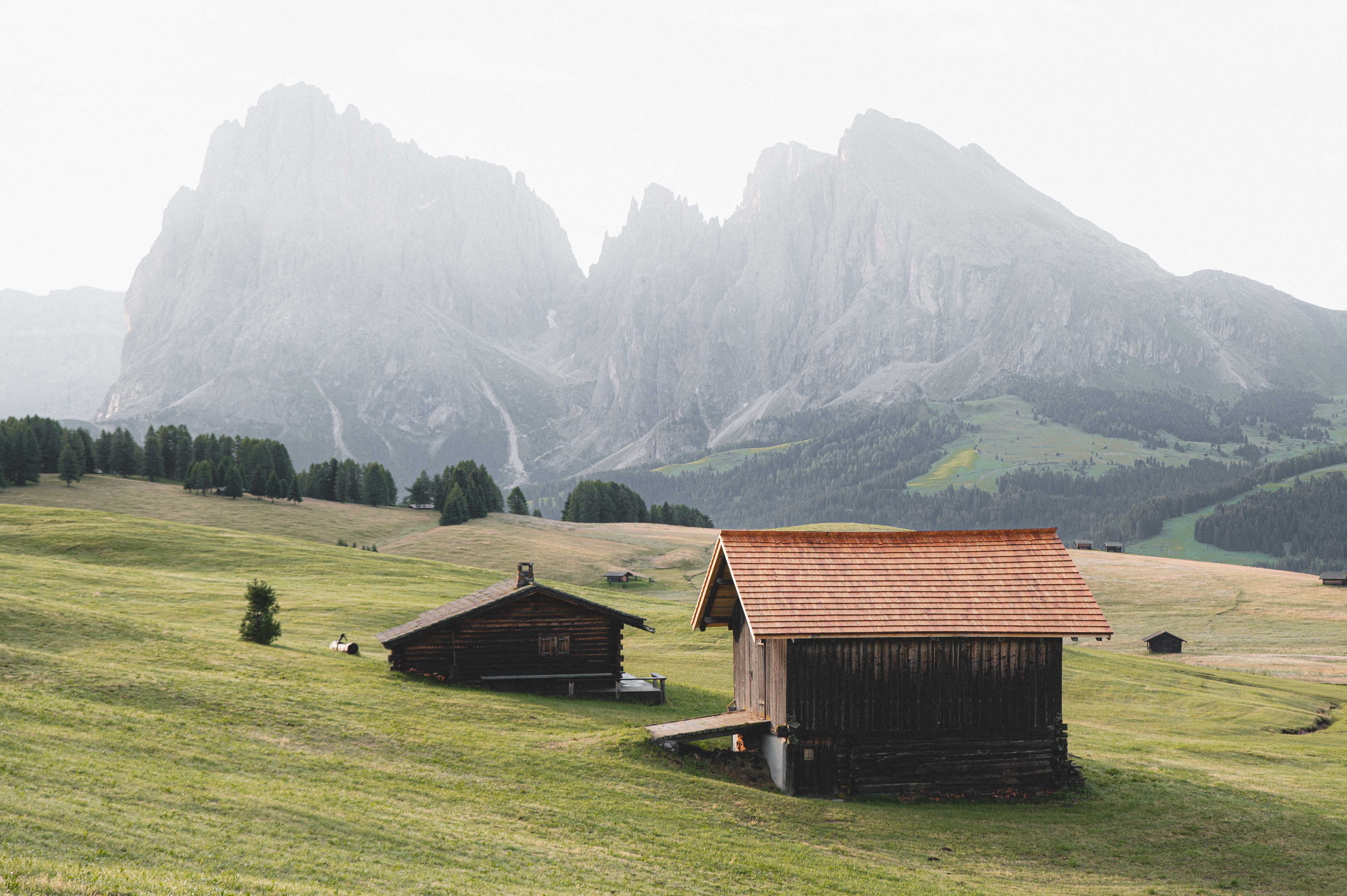
We started the day with sunrise at Alpe di Siusi, one of the most scenic areas in the Dolomites. Also known as Seiser Alm, it’s the largest high altitude alpine meadow in Europe. The meadows, dotted with rustic wooden huts and framed by the towering Dolomite peaks, are incredibly picture perfect.
You can only drive through this area if you’re staying in one of the hotels. Otherwise, you’ll need to park in Compatsch and walk in. From there, it took us around 45 minutes along the road towards Adler Lodge to reach this viewpoint.
Seceda
After exploring Alpe di Siusi, we drove to Ortisei for lunch before taking the cable car up to Seceda.
You’ll need to pay for parking, then purchase a return cable car ticket. We paid €45 each.
Our original plan was to spend the afternoon hiking, stay for sunset, then walk back down after the last cable car. But with a storm forecast, we kept it shorter and walked along the ridgeline instead.
Even without doing a full hike, the views here are easily some of the best in the Dolomites.
As we headed back down, the cable car dropped into thick fog and rain, so we called it and spent the rest of the afternoon relaxing back at the hotel.
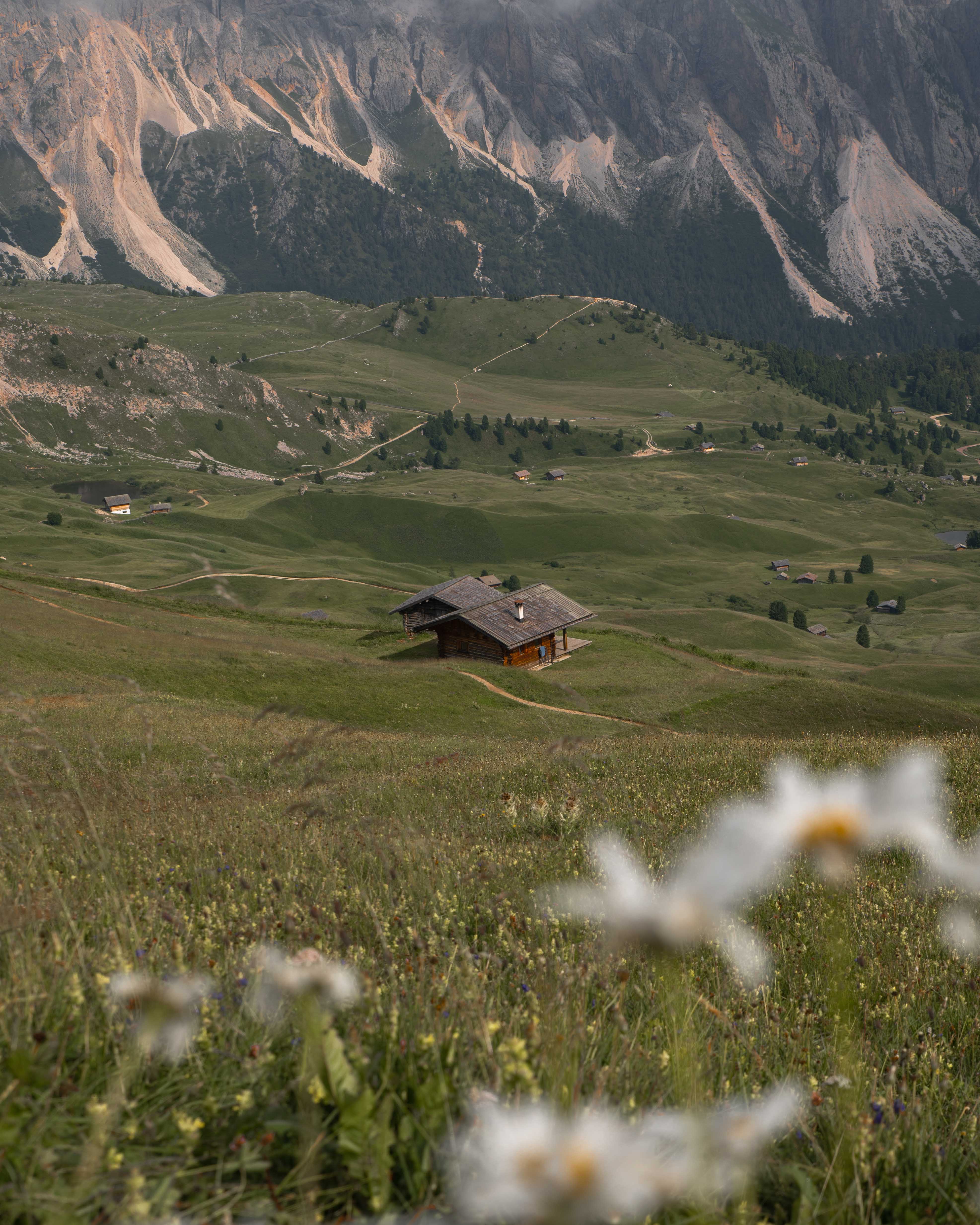
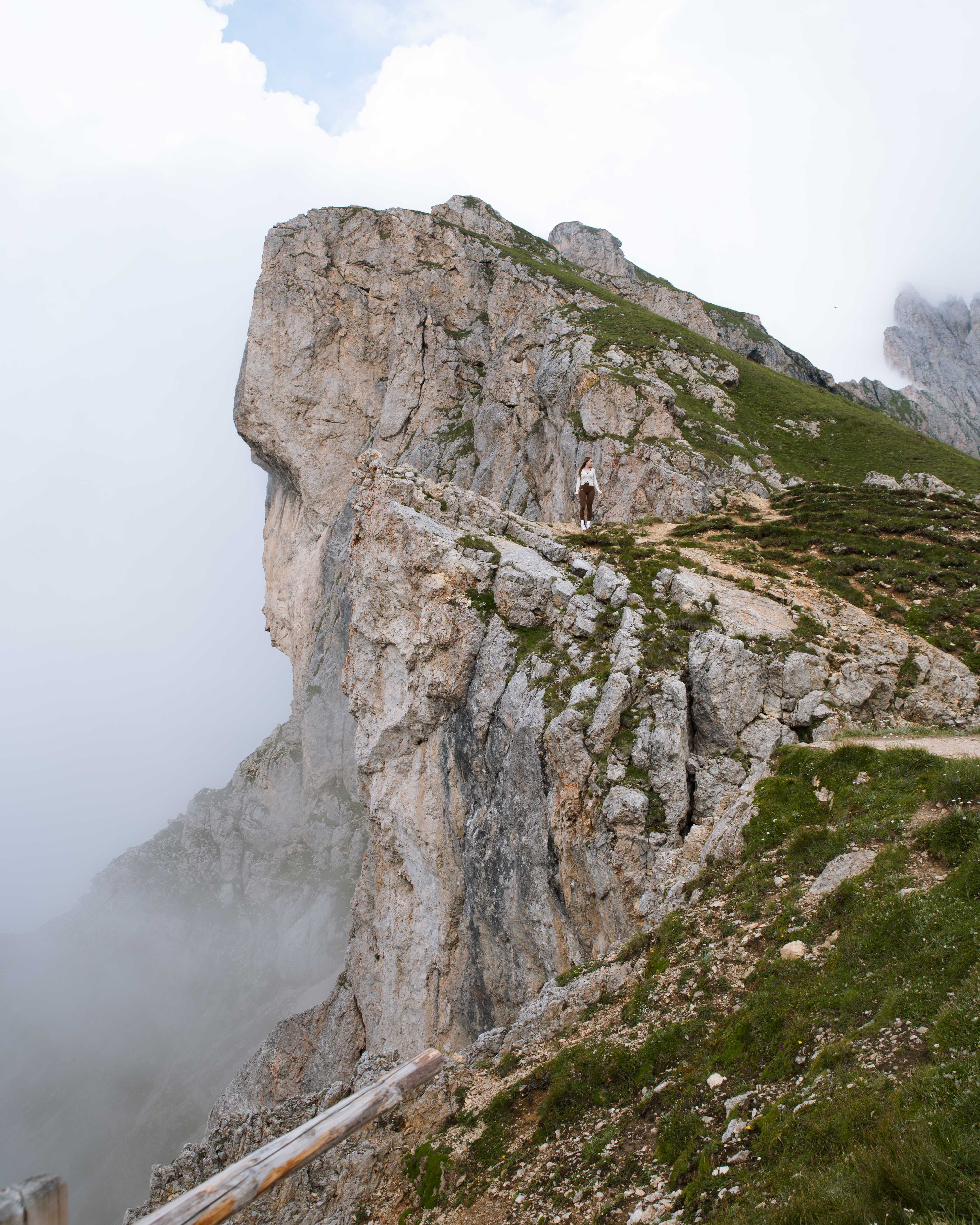
Seceda has become extremely popular during summer, and the cable car now operates with timed ticket reservations during peak season. It’s worth booking tickets in advance, especially if you’re visiting in July or August.
Day Five
Val di Funes
We woke up to a cloudy, overcast morning, but decided to head out anyway and explore Val di Funes.
When we arrived, the mountains were completely covered, but not long after, the clouds started to lift and the peaks slowly came through.
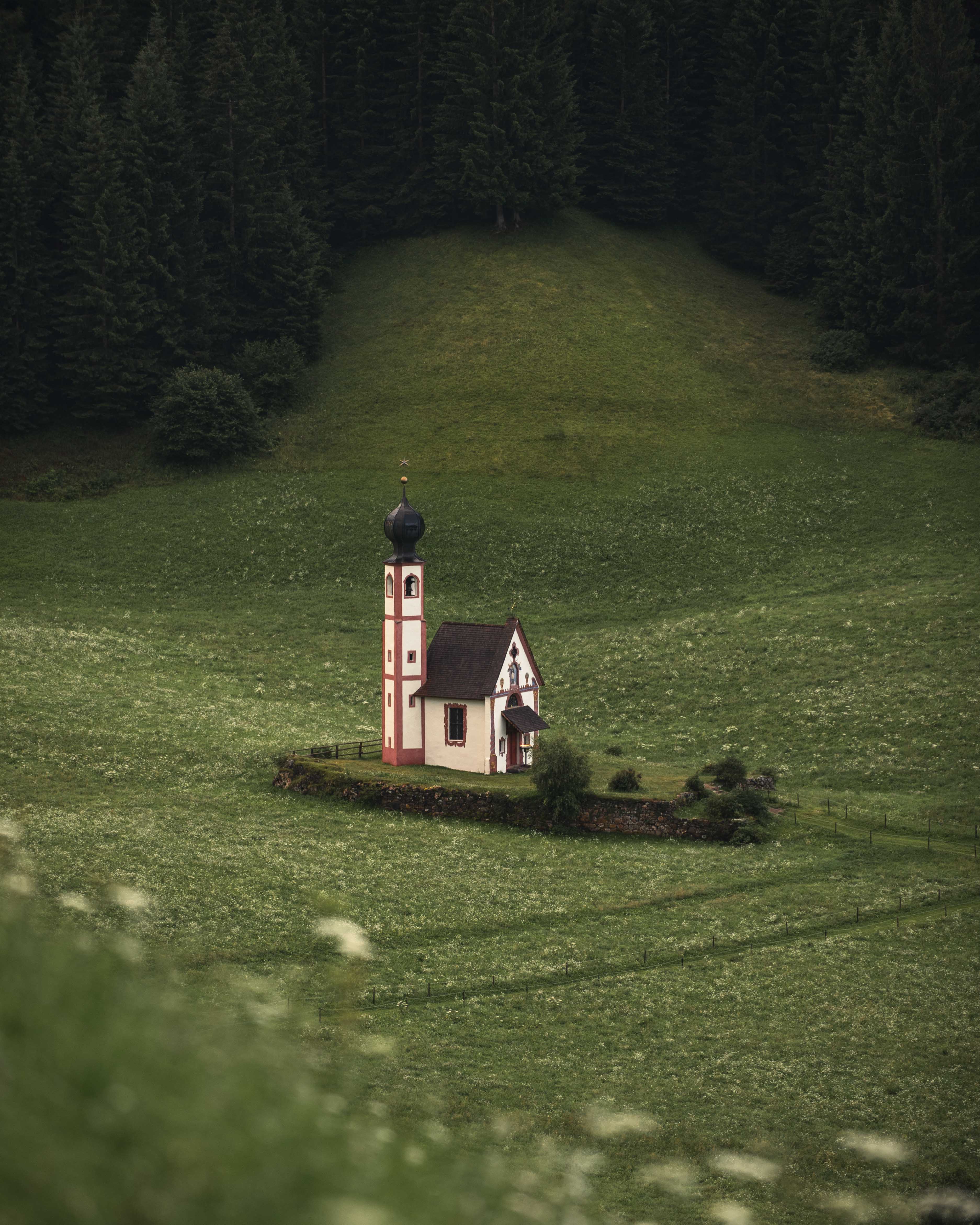
This area is known for its rolling green hills, small villages, and the Church of St. Johann in Ranui. It’s one of those places that feels very different to the more rugged parts of the Dolomites.
After taking some photos, we drove through Santa Maddalena, a small alpine town with traditional houses and views back towards the mountains.
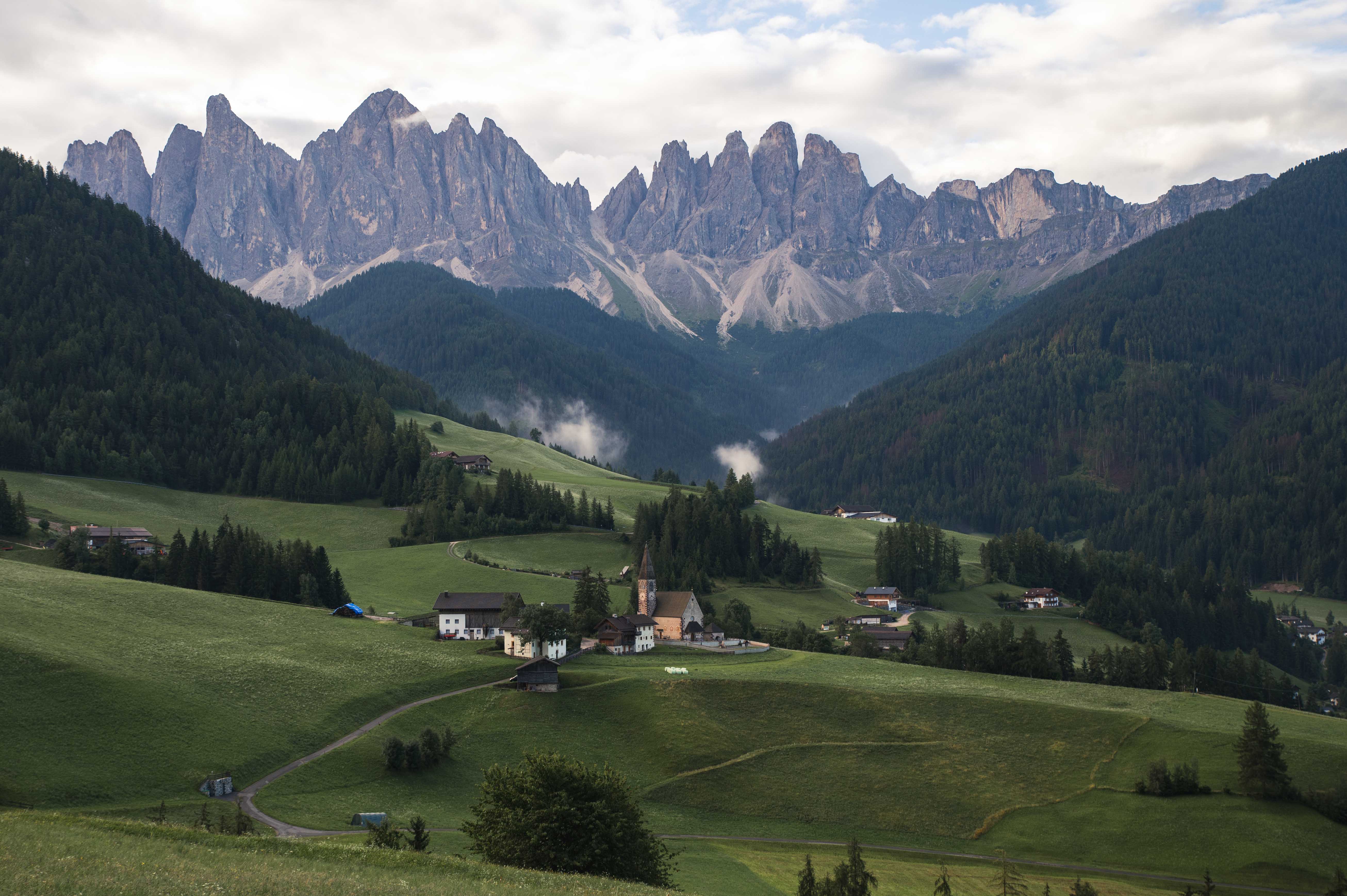
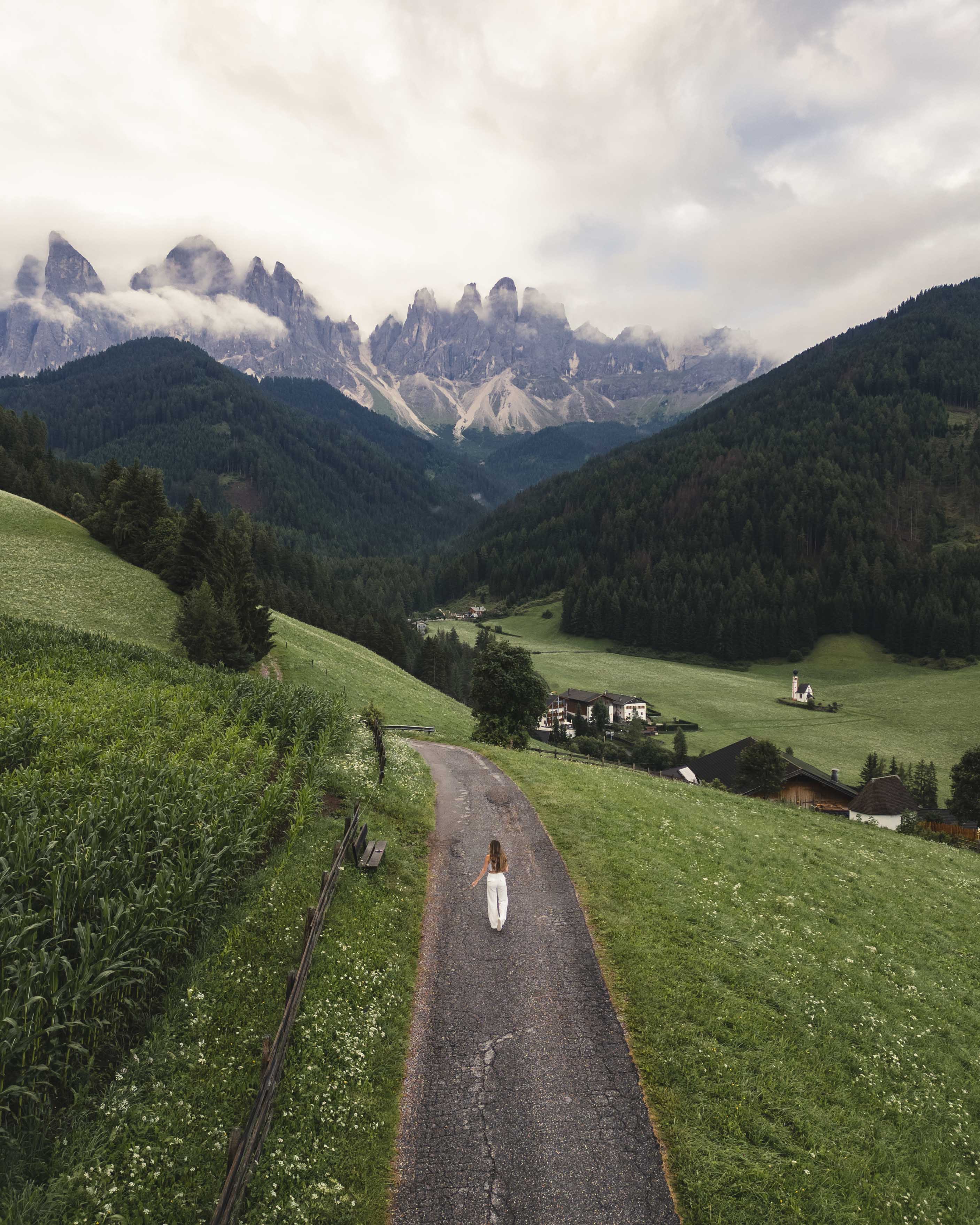
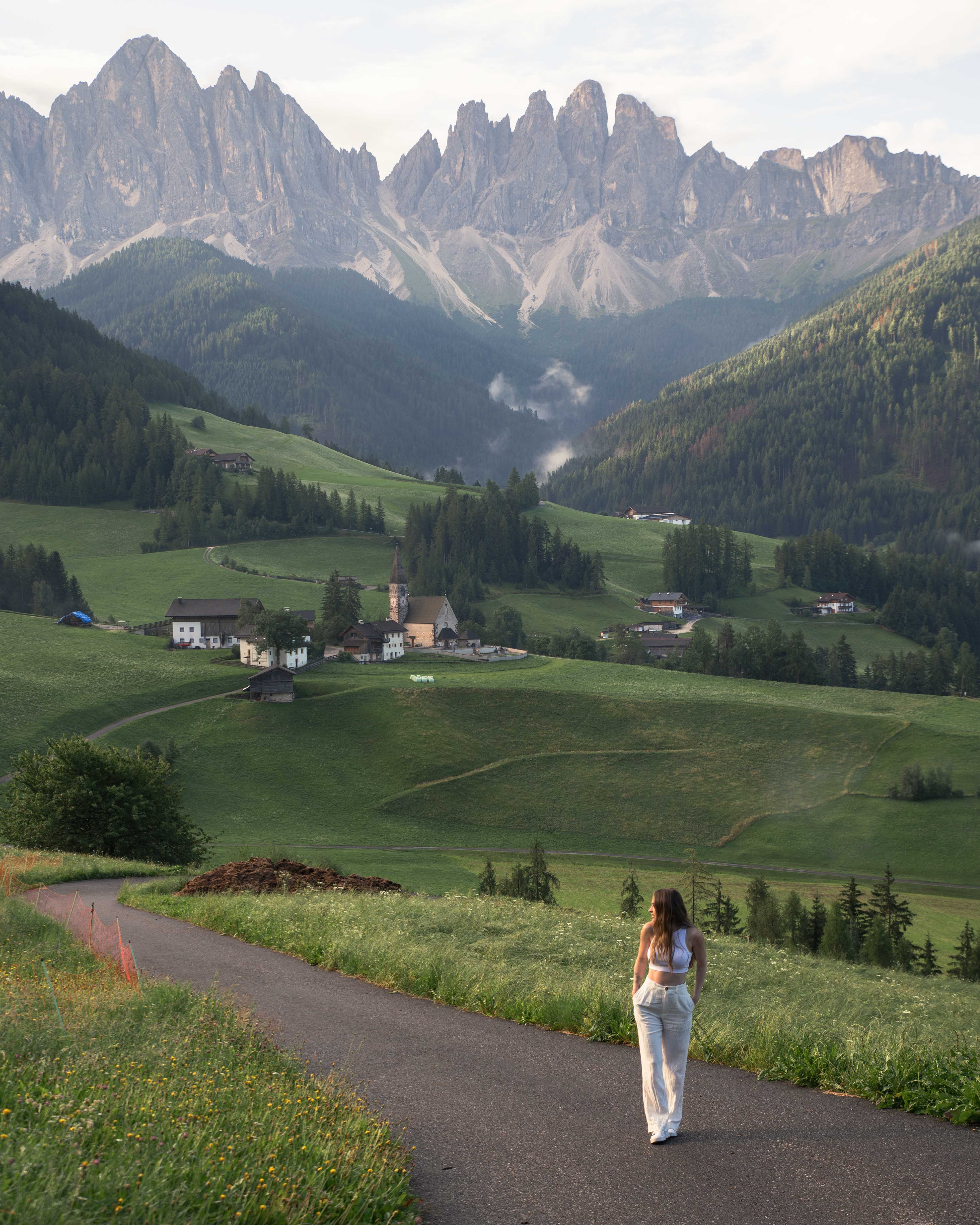
Note: As of 2026, access to the Santa Maddalena viewpoint has changed, with vehicle restrictions now in place during peak season. Visitors may need to park in the village and walk to the viewpoint, unless staying in the area.
Lago di Carezza
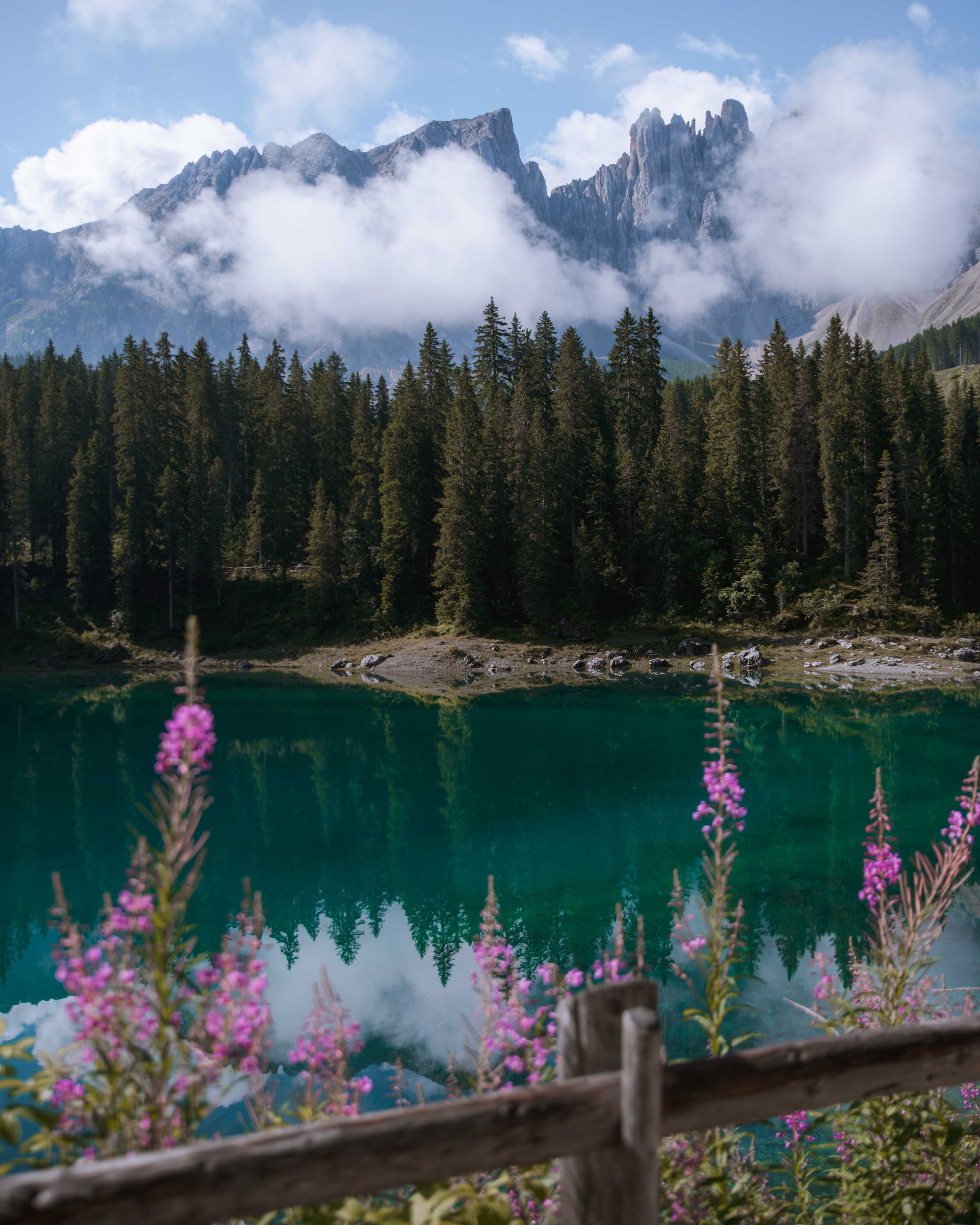
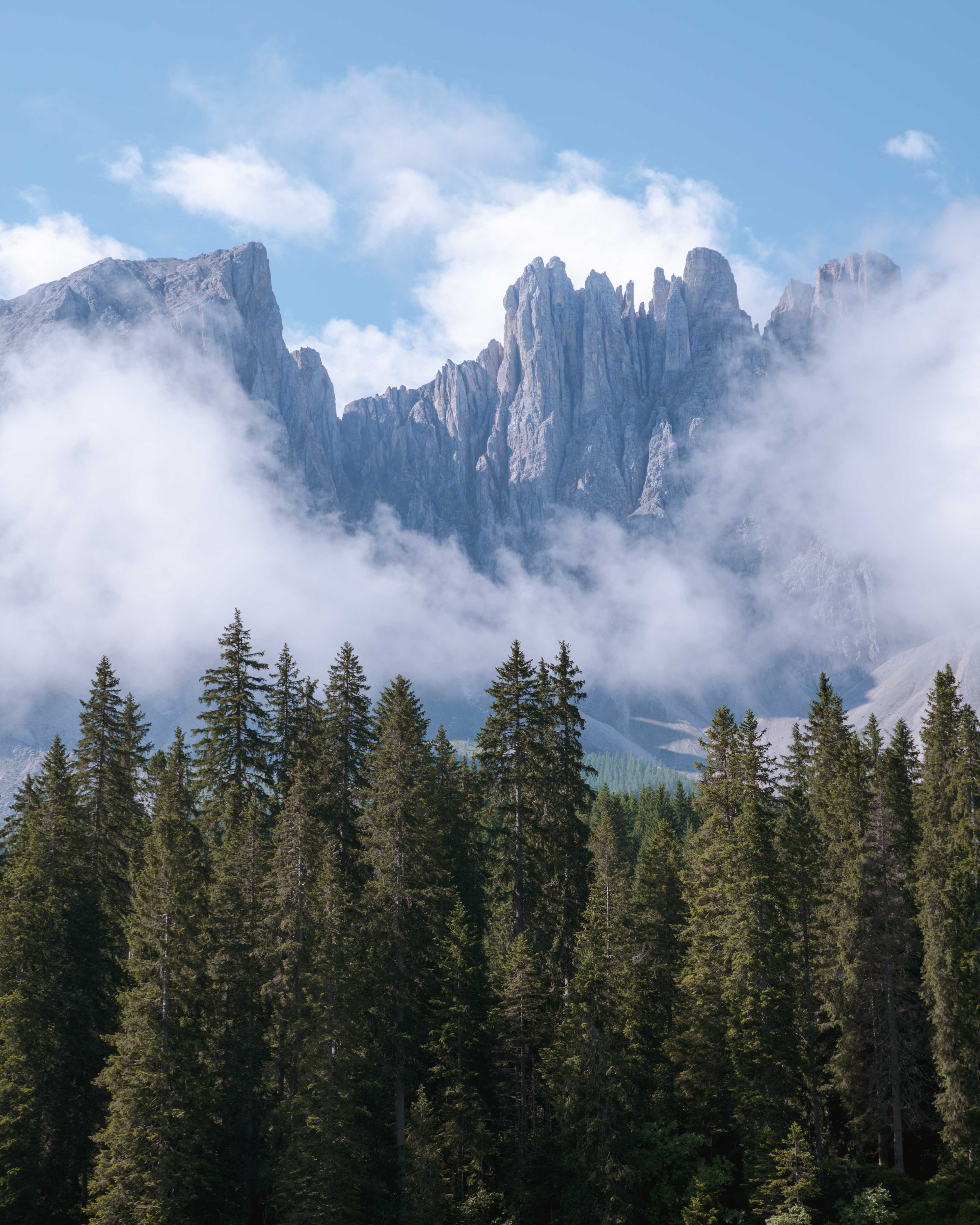
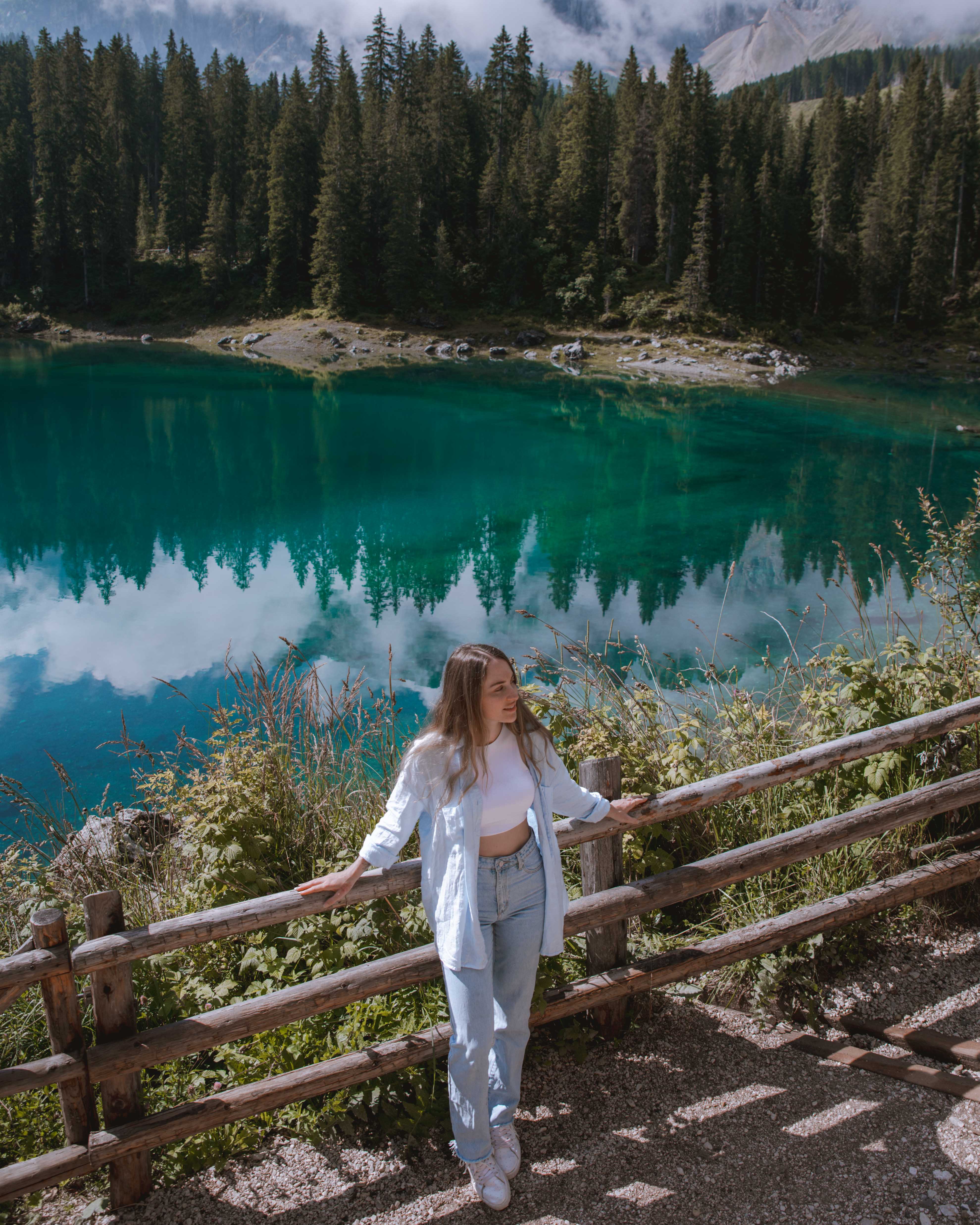
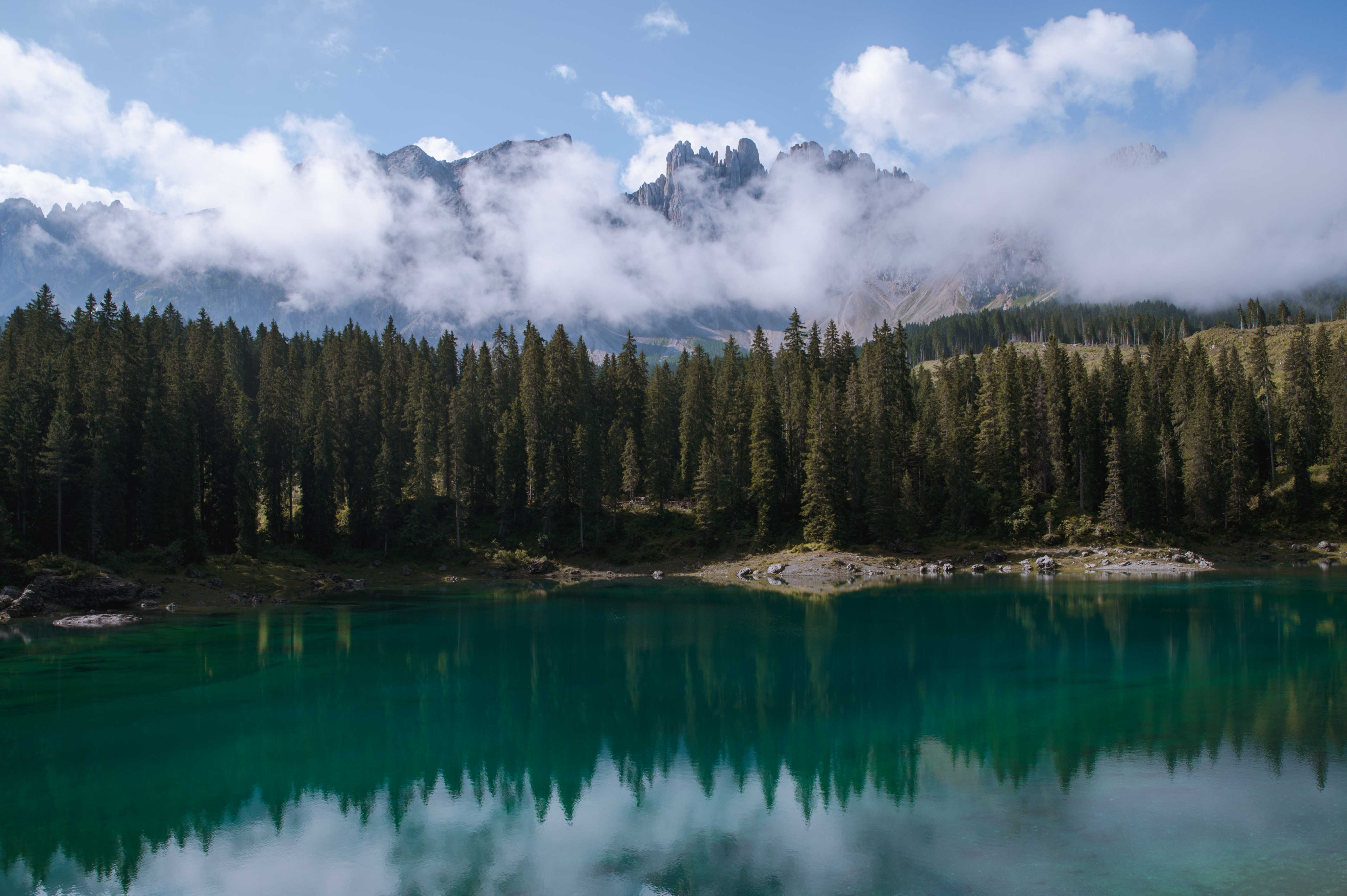
We finished the trip with a stop at Lago di Carezza, also known as Karersee.
The lake is known for its bright green water, which reflects the surrounding peaks. There’s an easy walking track around the lake with a few different viewpoints along the way.
Because it’s located right next to the main road and requires no hiking, it gets very busy, especially later in the day.
If you can, visit early in the morning. You’ll get better light and avoid the crowds.
Our Dolomites Road Trip Map
Exploring more of Italy?
Check out my other travel guides
Like this post? Pin it for later!

Leave a Reply